Can i have fatty liver without knowing it? What happens if there are no symptoms?

Imagine going for a routine health check-up. You feel perfectly fine, have no stomach pain, no digestive problems and no unusual tiredness. Then your doctor looks at your ultrasound report and mentions something you weren't expecting: fatty liver.
Your first reaction might be, "How can I have a liver problem when I don't feel anything wrong?"
It is a reasonable question. We often expect health problems to announce themselves through pain, discomfort or noticeable changes in our bodies. But fatty liver disease doesn't necessarily work that way. In fact, many people discover it accidentally while getting tests for something completely unrelated.
And that is what makes this condition worth understanding. Your liver can accumulate excess fat and undergo changes for years without giving you an obvious warning.
Let's look at what happens behind the scenes, what the research tells us, and why feeling healthy doesn't always mean your liver is healthy.
First, the surprising part: You may have fatty liver and feel completely normal
Your liver performs hundreds of important functions. It processes nutrients, helps regulate blood sugar, breaks down substances your body doesn't need and produces bile to support digestion. It also has a remarkable ability to continue functioning even when it is under stress.
When excess fat builds up inside liver cells, the condition is commonly called fatty liver disease. The newer medical terminology for one important type is metabolic dysfunction-associated steatotic liver disease, or MASLD. It was previously known as non-alcoholic fatty liver disease (NAFLD).
The reason people often don't notice it is simple: fat accumulation in the liver does not necessarily cause immediate pain or visible symptoms. You may continue eating, working, exercising and following your normal routine without realising that something is changing internally.
The NHS guide to fatty liver disease explains that most people do not experience symptoms, and the condition is often discovered through blood tests or scans performed for another reason.
This means the absence of symptoms is not proof that your liver is healthy. It simply means you may not have symptoms that alert you to a problem.
The numbers tell an important story: How common is fatty liver in India?
Fatty liver is not just a condition affecting people who drink alcohol or those who are visibly overweight. Research from South Asia suggests that metabolic fatty liver disease is considerably more common than many people realise.
A 2025 systematic review and meta-analysis published in the Journal of Gastroenterology and Hepatology examined 62 studies involving 40,745 participants across India, Sri Lanka, Pakistan and Bangladesh. Fifty-three of those studies were conducted in India.
The researchers estimated a pooled MASLD prevalence of 34.7% among study populations that were not selected specifically for type 2 diabetes. In studies involving only people with type 2 diabetes, the pooled estimate increased to 60%.
Here's what those figures mean in practical terms:
Around 35 out of every 100 participants across the included general South Asian study populations were estimated to have MASLD.
In study populations consisting only of people with type 2 diabetes, the estimate was around 60 out of every 100 participants.
The researchers also found a higher pooled estimate in urban studies (47.1%) than rural studies (18.5%).
These numbers are important, but they need context. They are pooled estimates from different studies, not the results of one nationally representative survey of every Indian adult. The studies varied significantly in their populations and methods, so these percentages should not be treated as an individual's probability of having fatty liver.
You can read the full 2025 South Asian MASLD systematic review and meta-analysis to understand how the researchers arrived at these estimates.
The bigger takeaway is that fatty liver deserves attention as a wider metabolic health issue, not just as a problem associated with alcohol consumption or weight.
What is happening inside your liver when you have no symptoms?
To understand why fatty liver can go unnoticed, it helps to look at how the condition may develop over time.
Think of your liver as a processing centre. It receives nutrients, manages energy and helps regulate how your body uses fats and sugars. When your body has metabolic difficulties, excess fat can begin accumulating in liver cells.
At first, this may simply mean that more fat is stored in the liver than is considered healthy. This stage is often called simple steatosis.
For some people, the condition remains relatively stable. For others, it can progress to a more active form involving inflammation and liver cell damage. This is known as metabolic dysfunction-associated steatohepatitis, or MASH, previously called NASH.
Over time, ongoing inflammation can lead to fibrosis, which means scar tissue begins developing in the liver. If significant scarring continues, it can eventually progress to cirrhosis, where the liver becomes permanently damaged and its normal structure and function are affected.
The important distinction is that this progression is possible, but it is not inevitable. Not everyone with fatty liver develops inflammation, fibrosis or cirrhosis. Many people never progress to advanced liver disease, particularly when risk factors are addressed.
This is also why identifying the condition early matters. The amount of fat in the liver and the amount of scarring are two different things. A person can have fatty liver without significant scarring, while another person may already have more advanced liver changes.
If you don't drink alcohol, eat normally and aren't overweight, can you still have fatty liver?
Yes. This is one of the biggest misconceptions about fatty liver disease.
Many people associate it with heavy drinking, excess body weight or an unhealthy diet. While these factors can matter, metabolic fatty liver disease is also linked to how the body processes glucose, cholesterol and fats.
Some of the factors associated with a higher risk include:
Type 2 diabetes and insulin resistance: When the body struggles to use insulin effectively, it can affect how fat is stored and processed. This is one reason fatty liver is particularly common among people with type 2 diabetes.
High triglycerides and abnormal cholesterol levels: Changes in blood fat levels may be associated with excess fat accumulation in the liver.
High blood pressure and abdominal fat: These can form part of a broader pattern of metabolic risk, even when someone does not consider themselves overweight.
Low physical activity and dietary patterns: Regularly consuming excess calories, particularly from sugary drinks and highly processed foods, alongside limited physical activity, can contribute to metabolic problems.
Genetics and individual differences: Some people may develop fatty liver despite having a relatively healthy body weight. A normal BMI does not completely eliminate the possibility.
There is another important distinction here. Fatty liver is a broad term that includes different causes, including alcohol-associated liver disease and metabolic fatty liver disease. Not drinking alcohol does not automatically mean you cannot develop fatty liver.
The symptoms you might notice, if any
Although fatty liver is often silent, some people do experience symptoms. The challenge is that these symptoms are usually vague and can be associated with many other conditions.
Persistent tiredness is one example. You may feel unusually low on energy or find that you get tired more easily than before. Some people also experience a dull discomfort in the upper-right part of the abdomen, where the liver is located.
However, these symptoms do not confirm fatty liver. Tiredness, in particular, has many possible explanations, including sleep problems, anaemia, stress and other health conditions.
More noticeable symptoms such as yellowing of the eyes or skin, swelling in the abdomen or legs, easy bruising, or confusion can indicate serious liver problems and need prompt medical assessment.
The absence of these symptoms should not be used to judge whether fatty liver is present or how advanced it might be.
How do you find out if your liver has excess fat?
Since symptoms are not a reliable indicator, doctors generally use a combination of medical history, blood tests and imaging to assess liver health.
It often begins with a conversation about your health history. Your doctor may ask about diabetes, cholesterol, blood pressure, weight changes, physical activity, medication use and alcohol consumption. These details help identify possible risk factors and other causes of liver problems.
Blood tests may include liver enzymes such as ALT and AST. Higher levels can indicate liver cell injury, but there is an important limitation: normal liver enzyme levels do not reliably rule out fatty liver or advanced fibrosis.
An abdominal ultrasound can help identify fat accumulation in the liver. However, a routine ultrasound cannot reliably establish whether inflammation or fibrosis is present. This means that seeing fatty liver on a scan does not automatically tell you how much damage has occurred.
Depending on your risk profile and initial results, your doctor may also recommend a fibrosis assessment. A blood-based calculation called FIB-4 uses factors including age, AST, ALT and platelet count to estimate the likelihood of advanced liver scarring. Another option is FibroScan, a type of specialised ultrasound that measures liver stiffness and can help assess fibrosis.
In selected cases, further tests or a liver biopsy may be considered.
The NIDDK explanation of fatty liver diagnosis provides more detail on how doctors use blood tests, imaging and other investigations to distinguish fat accumulation from more advanced liver disease.
One thing worth remembering: an ultrasound report that says "Grade 1 fatty liver" or "Grade 2 fatty liver" describes the degree of fat detected by that imaging assessment. It does not, by itself, tell you whether you have inflammation or significant scarring.
What happens if you ignore it because you feel fine?
This is where the silent nature of fatty liver becomes important.
If you have excess liver fat but no symptoms, it can be tempting to do nothing. You might assume that if it isn't causing discomfort, it isn't affecting your health. But the condition can sometimes progress without obvious warning signs.
The concern is not just the fat itself. In some people, ongoing metabolic problems and liver inflammation can contribute to scarring over time. Advanced fibrosis and cirrhosis can eventually affect how well the liver performs its essential functions.
Fatty liver is also closely connected with broader metabolic health. People with MASLD may have an increased risk of cardiovascular disease, type 2 diabetes and other metabolic complications. For many people, cardiovascular health is an important part of the overall risk picture.
That does not mean everyone with fatty liver will develop these conditions. It means the finding should be viewed as an opportunity to understand and manage overall health rather than something to dismiss because there is no pain.
What can you actually do if fatty liver is detected?
The good news is that early fatty liver can often be improved, particularly when the factors contributing to it are identified and addressed.
If you are overweight, your doctor may recommend gradual, sustained weight loss. Even modest weight reduction can improve liver fat, while greater weight loss may be needed to improve inflammation and fibrosis. The appropriate target depends on your individual health and should be discussed with a healthcare professional.
Regular physical activity can also help. You do not necessarily need an intense gym routine. Consistent walking, cycling, swimming or other activities that you can maintain can support metabolic health.
Food choices matter too. A balanced eating pattern with vegetables, whole grains, pulses, appropriate protein sources and healthier fats can be a practical starting point. Reducing sugary drinks, excess added sugar and highly processed foods may also help.
If you have diabetes, high cholesterol or high blood pressure, managing these conditions is an important part of protecting your liver. Avoid starting supplements or so-called liver detox products without medical advice. Some products marketed for liver cleansing can be ineffective or even harmful.
And if you drink alcohol, discuss your consumption with your doctor. The safest recommendation may differ depending on the cause and severity of your liver condition.
Most importantly, don't rely on lifestyle changes alone if a doctor has already identified fatty liver. Follow-up and appropriate assessment are necessary to understand whether the condition is improving and whether there is any evidence of fibrosis.
A simple way to think about it: No symptoms doesn't always mean no problem
Fatty liver is a good example of why health cannot always be judged by how you feel on a particular day.
You may have no pain, no digestive complaints and no noticeable change in energy, yet a routine investigation may reveal changes in your liver. For some people, these changes remain mild. For others, they may be an early indication of a condition that needs monitoring and attention.
If you have type 2 diabetes, high triglycerides, abdominal obesity or other metabolic risk factors, speak with your doctor about whether a liver assessment is appropriate. You do not need to wait for symptoms to appear before asking the question.
The goal isn't to become anxious about every health report. It is to understand what your results mean, identify risks early and take sensible steps before a manageable problem becomes more complicated.
Understand your health patterns with Clyvera
Sometimes, the hardest part of managing your health is connecting the dots. A blood test might show elevated liver enzymes, another report might mention high triglycerides, and you may be left wondering whether these findings are related.
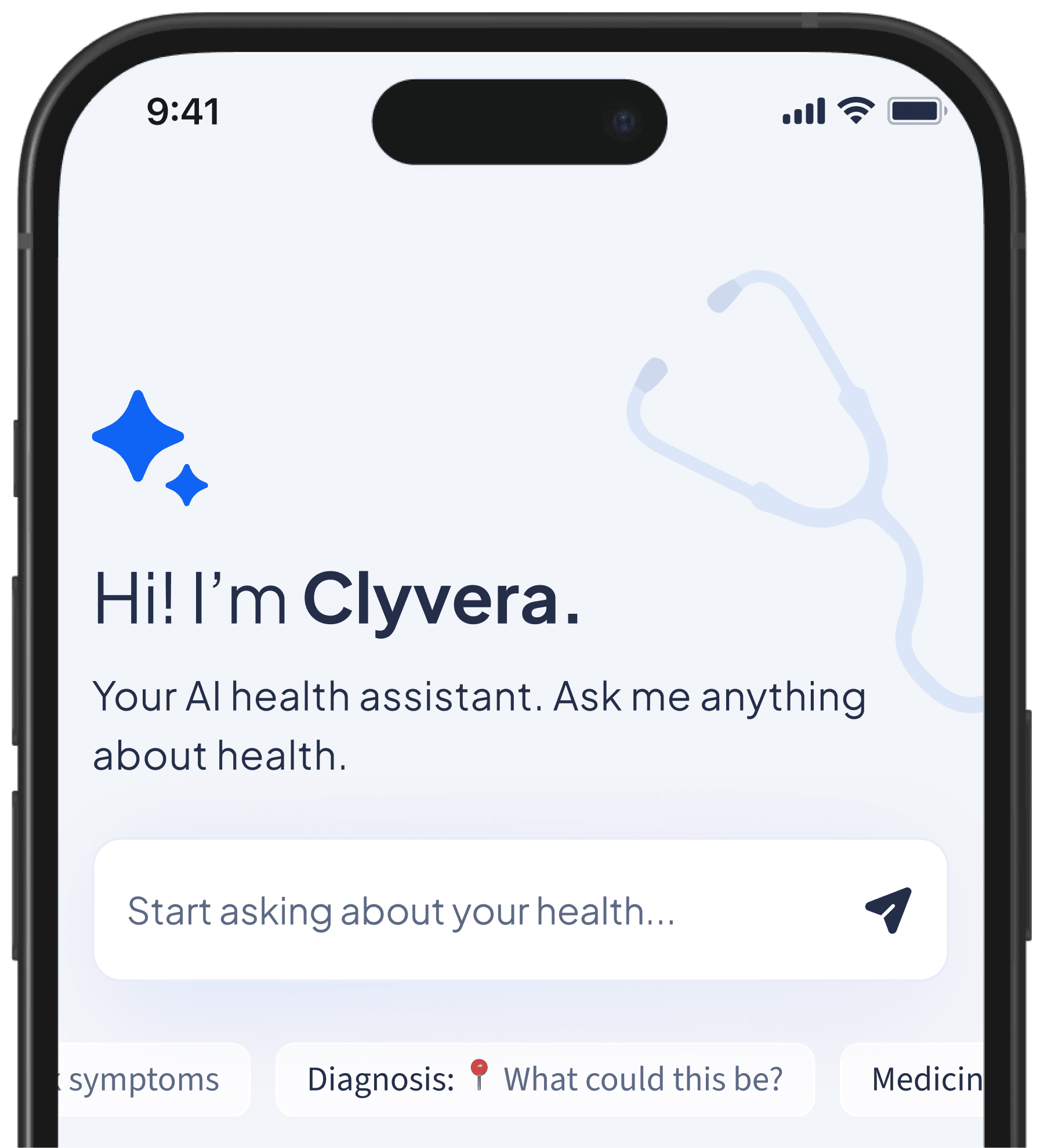
Clyvera helps you explore health questions, understand possible connections between symptoms and health information, and organise your observations before speaking with a healthcare professional.
It is not a diagnostic tool or a replacement for medical care. But it can help you become more informed about the questions worth asking and the health patterns worth discussing.
Explore Clyvera and take a more informed approach to understanding your health.
Related Blogs