Anemia Symptoms Explained: Could Your Fatigue Mean Something More?

a man feeling fatigue at work sitting near his work desk

Feeling tired from time to time is a normal part of life. A busy schedule, poor sleep, stress, or intense physical activity can all leave you feeling drained. Usually, a good night's sleep or a relaxing weekend is enough to restore your energy.

But if you're constantly fatigued despite getting enough rest, your body may be trying to tell you something. Persistent tiredness that doesn't improve, especially when combined with symptoms like pale skin, shortness of breath, dizziness, or frequent headaches, could be a sign of anemia.

While Anemia is one possible cause, it's important to remember that many health conditions can lead to fatigue. This article explains what Anemia is, the symptoms that often occur alongside fatigue, who is at higher risk, and when it's time to speak with a healthcare professional. It isn't intended to diagnose Anemia, but it can help you understand when persistent fatigue deserves closer attention.


What is Anemia?

Anemia occurs when your body doesn't have enough healthy red blood cells or hemoglobin to carry sufficient oxygen throughout the body.

Hemoglobin is a protein inside red blood cells that binds to oxygen in the lungs and delivers it to your organs, muscles, and tissues. When hemoglobin levels are low, your body receives less oxygen than it needs to function efficiently.

As a result, everyday activities that normally require little effort may leave you feeling unusually tired or out of breath.

There are several different types of anemia. The most common is iron-deficiency anemia, but anemia can also result from vitamin B12 or folate deficiency, chronic medical conditions, blood loss, inherited disorders, or problems affecting bone marrow.

Because treatment depends on the underlying cause, identifying the reason for anemia is just as important as confirming the diagnosis itself.


Symptoms that may occur alongside fatigue

Fatigue is often the first symptom people notice, but it rarely appears on its own.Common symptoms that may occur alongside anemia include:

Persistent tiredness or weakness

Many people describe feeling exhausted even after sleeping well or struggling to complete routine daily activities that previously felt easy.

Pale skin

Reduced hemoglobin can make the skin, gums, or the inside of the lower eyelids appear noticeably paler than usual.

Shortness of breath

Simple activities such as climbing stairs or walking short distances may leave you unusually breathless because your body is receiving less oxygen.

Dizziness or lightheadedness

Reduced oxygen delivery to the brain may cause dizziness, especially when standing up quickly.

Frequent headaches

Some people experience recurring headaches as the brain responds to reduced oxygen levels.

Cold hands and feet

Poor oxygen delivery and reduced circulation may make your hands or feet feel unusually cold, even in comfortable temperatures.

Heart palpitations

Your heart may beat faster or feel like it's racing as it works harder to deliver oxygen throughout the body.

Difficulty concentrating

Many people with anemia report "brain fog," poor concentration, or trouble focusing on everyday tasks.

If your fatigue is accompanied by several of these symptoms, it's worth arranging a medical evaluation rather than assuming it's simply due to stress or lack of sleep.


Who is more likely to develop anemia?

Although anemia can affect anyone, certain groups have a higher risk.

These include:

  • Women with heavy menstrual bleeding

  • Pregnant women

  • People who follow restrictive diets low in iron or vitamin B12

  • Adults over the age of 65

  • People with chronic kidney disease or inflammatory conditions

  • Individuals with digestive disorders that affect nutrient absorption, such as celiac disease or Crohn's disease

  • People with ongoing blood loss, including stomach ulcers or gastrointestinal bleeding

Having one or more risk factors doesn't necessarily mean you'll develop anemia, but persistent symptoms should never be ignored.


Other possible causes of persistent fatigue

Although anemia is a common cause of ongoing tiredness, many other conditions can produce similar symptoms.

These include:

  • Poor sleep quality or sleep disorders

  • Depression or anxiety

  • Thyroid disorders

  • Diabetes

  • Chronic infections

  • Vitamin deficiencies

  • Heart disease

  • Certain medications

Because fatigue is such a common symptom, it's important to look at the bigger picture rather than focusing on a single possibility.


When should you consider speaking to a healthcare professional?

You should consider seeing a healthcare professional if you experience:

  • Fatigue lasting more than a few weeks

  • Fatigue that doesn't improve with adequate rest

  • Shortness of breath during everyday activities

  • Frequent dizziness or fainting

  • Persistent headaches

  • Pale skin combined with weakness

  • Chest pain or rapid heartbeat

  • Blood in your stool, unusually heavy menstrual bleeding, or any unexplained bleeding

Your healthcare provider may recommend blood tests, including a Complete Blood Count (CBC), to check your hemoglobin levels and determine whether anemia is present. Additional tests may be needed to identify the underlying cause.

Finding and treating the cause of anemia is just as important as correcting the low hemoglobin itself.


Can a symptom checker help identify possible Anemia?

Persistent fatigue often develops gradually, making it difficult to recognize when symptoms have become significant.

A symptom checker like Clyvera can help you organize your symptoms before speaking with a healthcare professional.

Clyvera can help you:

  • Recognize patterns between fatigue and other symptoms such as dizziness, headaches, or shortness of breath.

  • Learn about conditions commonly associated with your symptoms, including anemia.

  • Decide whether your symptoms warrant medical evaluation.

  • Prepare for a more informed conversation with your healthcare provider by keeping track of symptom progression.

It's important to remember that Clyvera cannot diagnose anemia. A diagnosis requires laboratory testing and evaluation by a qualified healthcare professional. However, understanding your symptoms early may help you seek medical advice sooner.


Conclusion

Feeling tired occasionally is part of everyday life. But when fatigue becomes persistent, affects your daily activities, or occurs alongside symptoms like pale skin, dizziness, shortness of breath, or headaches, it may be time to look beyond lifestyle factors.

Anemia is one possible explanation, but it isn't the only one. Paying attention to how your symptoms develop—and discussing them with a healthcare professional—is the best way to understand what's happening.

Tools like Clyvera's symptom checker can help you organize your symptoms, identify possible patterns, and feel better prepared before your medical appointment. While it cannot diagnose anemia, it can help you take the first step toward understanding your health.


FAQs

Can anemia make you feel tired all the time?

Yes. Persistent fatigue is one of the most common symptoms of anemia because the body receives less oxygen than it needs to produce energy efficiently.

What are the early signs of anemia?

Common early symptoms include fatigue, weakness, pale skin, dizziness, headaches, shortness of breath, cold hands and feet, and difficulty concentrating.

Can anemia go away on its own?

Some mild cases improve once the underlying cause is addressed, but anemia should always be evaluated by a healthcare professional. Treatment depends on what's causing the low red blood cell or hemoglobin levels.

How is anemia diagnosed?

Doctors usually diagnose anemia with a blood test called a Complete Blood Count (CBC). Additional blood tests may help determine whether the anemia is caused by iron deficiency, vitamin deficiencies, chronic disease, or another condition.

Can a symptom checker diagnose anemia?

No. A symptom checker cannot diagnose anemia. It can help you understand possible causes of your symptoms and determine when it's appropriate to seek medical evaluation, but only laboratory tests can confirm the diagnosis.

Feeling tired from time to time is a normal part of life. A busy schedule, poor sleep, stress, or intense physical activity can all leave you feeling drained. Usually, a good night's sleep or a relaxing weekend is enough to restore your energy.

But if you're constantly fatigued despite getting enough rest, your body may be trying to tell you something. Persistent tiredness that doesn't improve, especially when combined with symptoms like pale skin, shortness of breath, dizziness, or frequent headaches, could be a sign of anemia.

While Anemia is one possible cause, it's important to remember that many health conditions can lead to fatigue. This article explains what Anemia is, the symptoms that often occur alongside fatigue, who is at higher risk, and when it's time to speak with a healthcare professional. It isn't intended to diagnose Anemia, but it can help you understand when persistent fatigue deserves closer attention.


What is Anemia?

Anemia occurs when your body doesn't have enough healthy red blood cells or hemoglobin to carry sufficient oxygen throughout the body.

Hemoglobin is a protein inside red blood cells that binds to oxygen in the lungs and delivers it to your organs, muscles, and tissues. When hemoglobin levels are low, your body receives less oxygen than it needs to function efficiently.

As a result, everyday activities that normally require little effort may leave you feeling unusually tired or out of breath.

There are several different types of anemia. The most common is iron-deficiency anemia, but anemia can also result from vitamin B12 or folate deficiency, chronic medical conditions, blood loss, inherited disorders, or problems affecting bone marrow.

Because treatment depends on the underlying cause, identifying the reason for anemia is just as important as confirming the diagnosis itself.


Symptoms that may occur alongside fatigue

Fatigue is often the first symptom people notice, but it rarely appears on its own.Common symptoms that may occur alongside anemia include:

Persistent tiredness or weakness

Many people describe feeling exhausted even after sleeping well or struggling to complete routine daily activities that previously felt easy.

Pale skin

Reduced hemoglobin can make the skin, gums, or the inside of the lower eyelids appear noticeably paler than usual.

Shortness of breath

Simple activities such as climbing stairs or walking short distances may leave you unusually breathless because your body is receiving less oxygen.

Dizziness or lightheadedness

Reduced oxygen delivery to the brain may cause dizziness, especially when standing up quickly.

Frequent headaches

Some people experience recurring headaches as the brain responds to reduced oxygen levels.

Cold hands and feet

Poor oxygen delivery and reduced circulation may make your hands or feet feel unusually cold, even in comfortable temperatures.

Heart palpitations

Your heart may beat faster or feel like it's racing as it works harder to deliver oxygen throughout the body.

Difficulty concentrating

Many people with anemia report "brain fog," poor concentration, or trouble focusing on everyday tasks.

If your fatigue is accompanied by several of these symptoms, it's worth arranging a medical evaluation rather than assuming it's simply due to stress or lack of sleep.


Who is more likely to develop anemia?

Although anemia can affect anyone, certain groups have a higher risk.

These include:

  • Women with heavy menstrual bleeding

  • Pregnant women

  • People who follow restrictive diets low in iron or vitamin B12

  • Adults over the age of 65

  • People with chronic kidney disease or inflammatory conditions

  • Individuals with digestive disorders that affect nutrient absorption, such as celiac disease or Crohn's disease

  • People with ongoing blood loss, including stomach ulcers or gastrointestinal bleeding

Having one or more risk factors doesn't necessarily mean you'll develop anemia, but persistent symptoms should never be ignored.


Other possible causes of persistent fatigue

Although anemia is a common cause of ongoing tiredness, many other conditions can produce similar symptoms.

These include:

  • Poor sleep quality or sleep disorders

  • Depression or anxiety

  • Thyroid disorders

  • Diabetes

  • Chronic infections

  • Vitamin deficiencies

  • Heart disease

  • Certain medications

Because fatigue is such a common symptom, it's important to look at the bigger picture rather than focusing on a single possibility.


When should you consider speaking to a healthcare professional?

You should consider seeing a healthcare professional if you experience:

  • Fatigue lasting more than a few weeks

  • Fatigue that doesn't improve with adequate rest

  • Shortness of breath during everyday activities

  • Frequent dizziness or fainting

  • Persistent headaches

  • Pale skin combined with weakness

  • Chest pain or rapid heartbeat

  • Blood in your stool, unusually heavy menstrual bleeding, or any unexplained bleeding

Your healthcare provider may recommend blood tests, including a Complete Blood Count (CBC), to check your hemoglobin levels and determine whether anemia is present. Additional tests may be needed to identify the underlying cause.

Finding and treating the cause of anemia is just as important as correcting the low hemoglobin itself.


Can a symptom checker help identify possible Anemia?

Persistent fatigue often develops gradually, making it difficult to recognize when symptoms have become significant.

A symptom checker like Clyvera can help you organize your symptoms before speaking with a healthcare professional.

Clyvera can help you:

  • Recognize patterns between fatigue and other symptoms such as dizziness, headaches, or shortness of breath.

  • Learn about conditions commonly associated with your symptoms, including anemia.

  • Decide whether your symptoms warrant medical evaluation.

  • Prepare for a more informed conversation with your healthcare provider by keeping track of symptom progression.

It's important to remember that Clyvera cannot diagnose anemia. A diagnosis requires laboratory testing and evaluation by a qualified healthcare professional. However, understanding your symptoms early may help you seek medical advice sooner.


Conclusion

Feeling tired occasionally is part of everyday life. But when fatigue becomes persistent, affects your daily activities, or occurs alongside symptoms like pale skin, dizziness, shortness of breath, or headaches, it may be time to look beyond lifestyle factors.

Anemia is one possible explanation, but it isn't the only one. Paying attention to how your symptoms develop—and discussing them with a healthcare professional—is the best way to understand what's happening.

Tools like Clyvera's symptom checker can help you organize your symptoms, identify possible patterns, and feel better prepared before your medical appointment. While it cannot diagnose anemia, it can help you take the first step toward understanding your health.


FAQs

Can anemia make you feel tired all the time?

Yes. Persistent fatigue is one of the most common symptoms of anemia because the body receives less oxygen than it needs to produce energy efficiently.

What are the early signs of anemia?

Common early symptoms include fatigue, weakness, pale skin, dizziness, headaches, shortness of breath, cold hands and feet, and difficulty concentrating.

Can anemia go away on its own?

Some mild cases improve once the underlying cause is addressed, but anemia should always be evaluated by a healthcare professional. Treatment depends on what's causing the low red blood cell or hemoglobin levels.

How is anemia diagnosed?

Doctors usually diagnose anemia with a blood test called a Complete Blood Count (CBC). Additional blood tests may help determine whether the anemia is caused by iron deficiency, vitamin deficiencies, chronic disease, or another condition.

Can a symptom checker diagnose anemia?

No. A symptom checker cannot diagnose anemia. It can help you understand possible causes of your symptoms and determine when it's appropriate to seek medical evaluation, but only laboratory tests can confirm the diagnosis.

Clyvera app Logo

Your smart health journey begins here

Take the first step towards better health and peace of mind—because you deserve it.

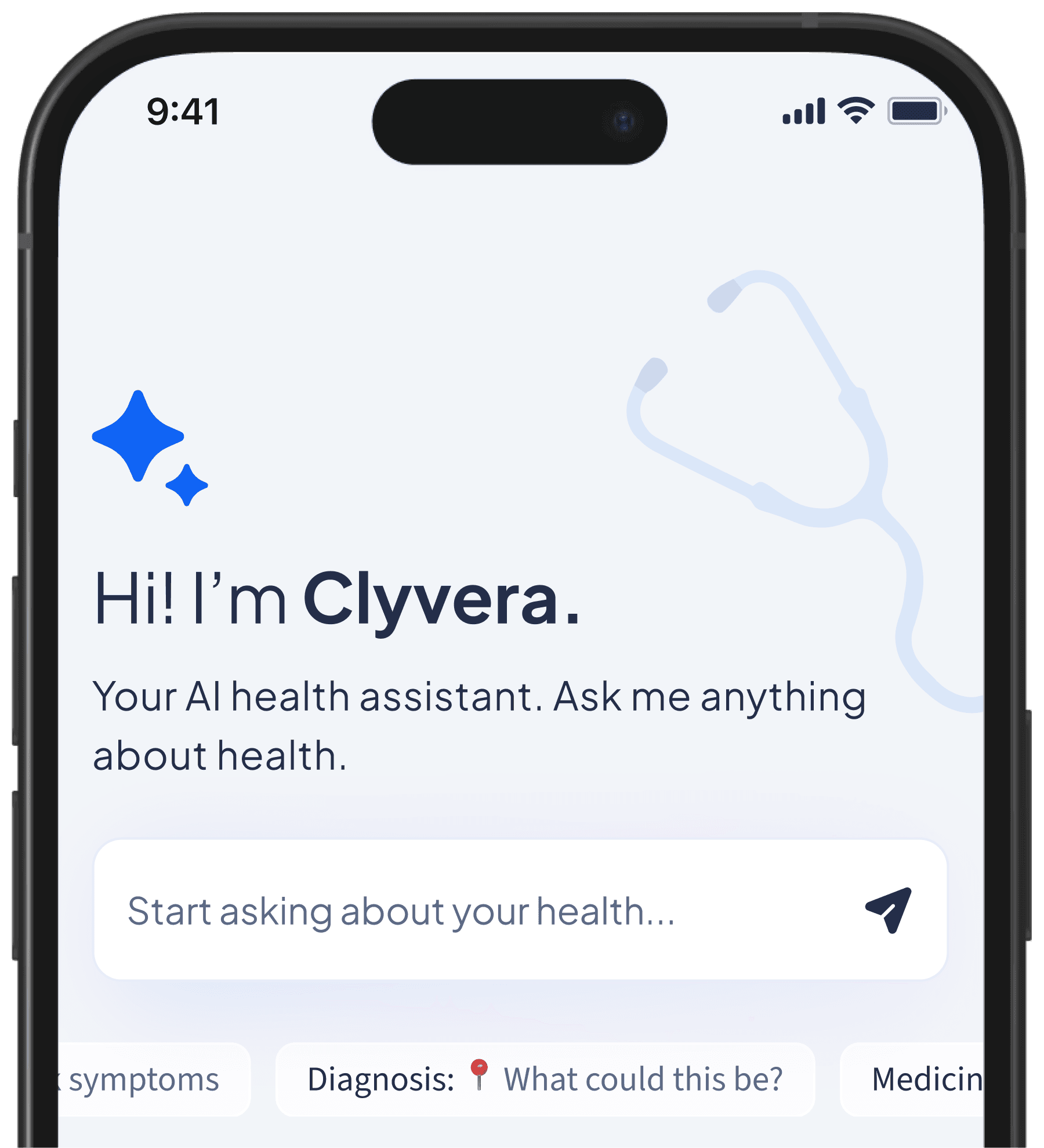
Mobile screenshot showing clyvera app landing page
Icon of HIPAA complaince
Icon of GDPR complaince

Join thousands of users embracing smarter Cancer-care with Clyvera.

©2025 Docbud Corp - All Rights Reserved.

Clyvera app Logo

Your smart health journey begins here

Take the first step towards better health and peace of mind—because you deserve it.

Mobile screenshot showing clyvera app landing page
Icon of HIPAA complaince
Icon of GDPR complaince

Join thousands of users embracing smarter Cancer-care with Clyvera.

©2025 Docbud Corp - All Rights Reserved.

Clyvera app Logo

Your smart health journey begins here

Take the first step towards better health and peace of mind—because you deserve it.

Mobile screenshot showing clyvera app landing page
Icon of HIPAA complaince
Icon of GDPR complaince

Join thousands of users embracing smarter Cancer-care with Clyvera.

©2025 Docbud Corp - All Rights Reserved.