Could your constant thirst have a hidden cause? Understanding the early signs of Diabetes

a girl feeling thirsty & driking a bottle of water

Feeling thirsty after a workout, spending time in the sun, or eating salty food is completely normal. Your body naturally asks for more water whenever it loses fluids or needs to maintain the right balance.

But if you constantly feel thirsty despite drinking enough water, or find yourself refilling your bottle throughout the day without feeling satisfied, it may be worth paying closer attention. Excessive thirst, especially when accompanied by symptoms like frequent urination, unexplained weight loss, increased hunger, or persistent fatigue, can sometimes be an early sign of diabetes.

Of course, diabetes isn't the only possible cause. Certain medications, dehydration, kidney conditions, hormonal imbalances, or even prolonged hot weather can also make you feel thirstier than usual.

This article explains why excessive thirst happens, how it may be connected to diabetes, what other symptoms to look out for, and when it's a good idea to speak with a healthcare professional. It isn't intended to diagnose any condition, but it can help you better understand what your body might be trying to tell you.


What is excessive thirst?

Everyone experiences thirst. It's one of the body's most important signals, encouraging us to replace fluids lost through sweating, breathing, or everyday activities.

Excessive thirst, medically known as polydipsia, is different. It refers to a persistent or unusually strong desire to drink fluids that continues even after you've had enough water. Some people notice they carry a bottle everywhere because they're always thirsty, while others wake up several times during the night needing a drink.

By itself, excessive thirst doesn't necessarily indicate a medical problem. However, when it lasts for several days or weeks, or occurs alongside other symptoms, it's worth investigating further.

One of the most common medical conditions associated with persistent thirst is diabetes.


Why does diabetes cause constant thirst?

To understand why diabetes causes excessive thirst, it helps to know what happens inside the body.

Normally, the hormone insulin helps move glucose (sugar) from your bloodstream into your body's cells, where it's used for energy.

In diabetes, this process doesn't work properly.

  • In Type 1 diabetes, the body produces little or no insulin.

  • In Type 2 diabetes, the body becomes resistant to insulin or doesn't produce enough of it.

As blood sugar levels rise, the kidneys try to remove the excess glucose by filtering it into urine. Because glucose draws water with it, the body loses much more fluid than usual.

This creates a cycle:

  • High blood sugar leads to increased urination.

  • Increased urination causes dehydration.

  • Dehydration triggers intense thirst.

  • Drinking more water helps temporarily but doesn't solve the underlying problem.

This is why many people with undiagnosed diabetes describe feeling like they "can never drink enough water."


Symptoms that may occur alongside excessive thirst

While excessive thirst is one of the classic symptoms of diabetes, it rarely appears on its own. If your constant thirst is accompanied by several of the following symptoms, it's a stronger indication that you should speak with a healthcare professional.


Frequent urination

One of the earliest and most noticeable signs is needing to urinate much more often than usual, especially during the night. When blood sugar is high, the kidneys work harder to remove excess glucose, leading to increased urine production.


Persistent fatigue

Despite eating and sleeping normally, many people with diabetes experience ongoing tiredness. Without enough insulin, glucose can't enter the body's cells efficiently, leaving them without the energy they need.


Increased hunger

It may seem surprising, but many people feel hungrier even while their blood sugar is elevated. Since cells struggle to access glucose for energy, the body signals that it needs more food, even though plenty of sugar is already circulating in the bloodstream.


Unexplained weight loss

Losing weight without intentionally changing your diet or exercise routine can sometimes be an early warning sign, particularly in Type 1 diabetes. When the body can't use glucose for energy, it begins breaking down fat and muscle instead.


Blurred vision

High blood sugar can temporarily affect the shape of the eye's lens by altering fluid levels. This may cause blurry vision that comes and goes as blood sugar changes.


Slow-healing cuts and wounds

Elevated blood sugar can reduce blood flow and affect the body's ability to heal. Small cuts, scratches, or sores may take noticeably longer than usual to recover.


Frequent infections

People with diabetes may experience recurring infections, including skin infections, urinary tract infections (UTIs), or yeast infections. High blood sugar creates an environment where bacteria and fungi can grow more easily.


Tingling or numbness

Over time, elevated blood sugar can affect nerves, especially in the hands and feet. Although this symptom often develops later, some people notice mild tingling before receiving a diagnosis. If you're experiencing excessive thirst together with two or more of these symptoms, it's worth arranging a medical evaluation rather than assuming it's simply dehydration.


Who is more likely to develop diabetes?

Anyone can develop diabetes, but certain factors increase the likelihood.

These include:

  • Being overweight or obese

  • Having a close family member with diabetes

  • Being physically inactive

  • Being over the age of 45 (although younger adults and children can also develop diabetes)

  • Having high blood pressure or abnormal cholesterol levels

  • Having previously experienced gestational diabetes during pregnancy

  • Having polycystic ovary syndrome (PCOS)

  • Belonging to certain ethnic groups with a higher prevalence of Type 2 diabetes

Having one or more of these risk factors doesn't mean you'll develop diabetes. However, if they're combined with symptoms like excessive thirst and frequent urination, they strengthen the case for getting checked.


Other possible causes of constant thirst

Although diabetes is a well-known cause, it's far from the only explanation.

Persistent thirst may also result from:

  • Dehydration caused by hot weather, exercise, vomiting, or diarrhea

  • Eating very salty or spicy foods

  • Certain medications, including diuretics ("water tablets")

  • Dry mouth caused by medications or autoimmune conditions

  • Kidney disorders, which can affect the body's fluid balance

  • Hormonal conditions, such as diabetes insipidus (a rare condition unrelated to diabetes mellitus)

  • Pregnancy, when fluid requirements naturally increase

Because several different conditions can produce similar symptoms, it's important not to jump to conclusions based on thirst alone.


When should you consider speaking to a healthcare professional?

Occasional thirst after exercise or on a hot day is usually nothing to worry about. However, if your thirst persists despite drinking enough fluids, or it's accompanied by other symptoms, it's worth scheduling an appointment with a healthcare professional.

You should consider seeking medical advice if you notice:

  • Constant thirst lasting several days or weeks

  • Frequent urination, especially waking multiple times at night

  • Unexplained weight loss

  • Persistent fatigue that doesn't improve with rest

  • Blurred vision

  • Slow-healing cuts or frequent infections

  • Increased hunger despite eating normally

  • A family history of diabetes combined with new symptoms

In some cases, very high blood sugar can become a medical emergency. Seek immediate medical attention if excessive thirst is accompanied by severe weakness, confusion, difficulty breathing, persistent vomiting, or loss of consciousness.

Early evaluation is important because diabetes often develops gradually, and identifying it early can help reduce the risk of long-term complications affecting the heart, kidneys, eyes, and nerves.


How is diabetes diagnosed?

If your doctor suspects diabetes, they won't diagnose it based on symptoms alone. Instead, they'll recommend one or more blood tests to measure your blood sugar levels.

Common tests include:

Fasting Blood Glucose Test

This measures your blood sugar after you've gone without eating for at least eight hours.

HbA1c Test

Also known as the glycated hemoglobin test, this measures your average blood sugar over the previous two to three months. It's one of the most commonly used tests for diagnosing Type 2 diabetes and monitoring long-term blood sugar control.

Oral Glucose Tolerance Test (OGTT)

After drinking a glucose-containing beverage, your blood sugar is measured over the following two hours to see how efficiently your body processes sugar.

Random Blood Glucose Test

In some situations, particularly if symptoms are obvious, a random blood glucose measurement may also help support the diagnosis.

Your doctor may recommend additional tests depending on your symptoms, age, overall health, or whether Type 1 or Type 2 diabetes is suspected.


Can a symptom checker help identify possible diabetes?

If you've been experiencing excessive thirst, fatigue, or frequent urination, it can sometimes be difficult to know whether your symptoms are connected or simply coincidental.

A symptom checker like Clyvera can serve as a helpful starting point by helping you organize what you're experiencing before speaking with a healthcare professional.

Here's how Clyvera can help:

  • It helps identify patterns between symptoms that may otherwise seem unrelated.

  • It provides educational information about conditions commonly associated with your combination of symptoms, including diabetes and other possible causes.

  • It helps you decide whether your symptoms warrant medical evaluation and how urgently you should seek care.

  • It prepares you for a more productive conversation with your healthcare provider by helping you keep track of when symptoms started, how they've changed, and what other symptoms you've noticed.

It's important to understand that Clyvera does not diagnose diabetes and cannot replace laboratory testing or professional medical advice. Only a qualified healthcare provider can diagnose diabetes using appropriate clinical evaluation and blood tests.

However, using a symptom checker can help reduce uncertainty and encourage earlier conversations with your doctor, especially when symptoms develop gradually over time.


What can you do while waiting to see a doctor?

If you've booked an appointment but are still waiting to be seen, there are a few practical steps you can take.

Stay Hydrated

Drink water regularly throughout the day, especially if you're urinating more frequently than usual. Avoid relying on sugary drinks to satisfy your thirst, as they may further increase blood sugar levels if diabetes is present.

Keep Track of Your Symptoms

Write down:

  • When your excessive thirst began

  • How much water you're drinking each day

  • How often you're urinating

  • Whether you've noticed fatigue, weight changes, blurred vision, or increased hunger

This information can help your healthcare provider better understand your symptoms.

Avoid Self-Diagnosing

While online information can be helpful, excessive thirst has many possible causes. It's important not to assume diabetes is the reason without proper medical evaluation.

Continue Healthy Lifestyle Habits

Eating a balanced diet, staying physically active, getting enough sleep, and managing stress all support overall health and may benefit blood sugar regulation. However, these habits should complement—not replace—medical assessment if symptoms persist.


Conclusion

Feeling thirsty from time to time is a normal part of everyday life. But when thirst becomes persistent, seems excessive, or is accompanied by symptoms like frequent urination, fatigue, blurred vision, or unexplained weight loss, it may be your body's way of signalling that something deserves closer attention.

Diabetes is one possible explanation, but it's not the only one. Conditions affecting the kidneys, hormone balance, medications, or simple dehydration can also contribute to ongoing thirst.

Rather than trying to guess the cause, pay attention to the bigger picture. Looking at your symptoms together—and discussing them with a healthcare professional—is the most reliable way to understand what's happening.

Tools like Clyvera's symptom checker can help you organize your symptoms, recognize potential patterns, and prepare for a more informed conversation with your doctor. While it cannot diagnose diabetes, it can help you take the first step toward understanding your health with greater confidence.


FAQs

Can diabetes make you feel thirsty all the time?

Yes. Persistent or excessive thirst is one of the most common early symptoms of diabetes. High blood sugar causes the kidneys to remove excess glucose through urine, leading to increased fluid loss and dehydration, which triggers thirst.

Does drinking lots of water mean I have diabetes?

Not necessarily. Many factors, including hot weather, exercise, certain medications, dehydration, and kidney conditions, can increase thirst. Persistent thirst should be evaluated alongside other symptoms rather than considered on its own.

What are the first warning signs of diabetes?

Common early symptoms include excessive thirst, frequent urination, persistent fatigue, increased hunger, blurred vision, slow-healing wounds, and unexplained weight loss. Not everyone experiences the same symptoms, and some people may have few or none in the early stages.

Can Type 2 diabetes develop without noticeable symptoms?

Yes. Many people with Type 2 diabetes develop the condition gradually and may not notice symptoms until blood sugar has been elevated for some time. This is why regular health check-ups and screening are important for people at higher risk.

How can I tell if my thirst is caused by dehydration or diabetes?

Simple dehydration usually improves after drinking enough fluids and addressing the underlying cause, such as exercise or hot weather. Thirst related to diabetes often persists despite drinking water and is commonly accompanied by symptoms like frequent urination, fatigue, or blurred vision. Only a healthcare professional can determine the underlying cause.

Can a symptom checker diagnose diabetes?

No. A symptom checker cannot diagnose diabetes or replace medical evaluation. It can help you understand possible causes of your symptoms, identify patterns, and decide when it's appropriate to seek professional medical care. A diagnosis requires blood tests and assessment by a qualified healthcare provider.

Feeling thirsty after a workout, spending time in the sun, or eating salty food is completely normal. Your body naturally asks for more water whenever it loses fluids or needs to maintain the right balance.

But if you constantly feel thirsty despite drinking enough water, or find yourself refilling your bottle throughout the day without feeling satisfied, it may be worth paying closer attention. Excessive thirst, especially when accompanied by symptoms like frequent urination, unexplained weight loss, increased hunger, or persistent fatigue, can sometimes be an early sign of diabetes.

Of course, diabetes isn't the only possible cause. Certain medications, dehydration, kidney conditions, hormonal imbalances, or even prolonged hot weather can also make you feel thirstier than usual.

This article explains why excessive thirst happens, how it may be connected to diabetes, what other symptoms to look out for, and when it's a good idea to speak with a healthcare professional. It isn't intended to diagnose any condition, but it can help you better understand what your body might be trying to tell you.


What is excessive thirst?

Everyone experiences thirst. It's one of the body's most important signals, encouraging us to replace fluids lost through sweating, breathing, or everyday activities.

Excessive thirst, medically known as polydipsia, is different. It refers to a persistent or unusually strong desire to drink fluids that continues even after you've had enough water. Some people notice they carry a bottle everywhere because they're always thirsty, while others wake up several times during the night needing a drink.

By itself, excessive thirst doesn't necessarily indicate a medical problem. However, when it lasts for several days or weeks, or occurs alongside other symptoms, it's worth investigating further.

One of the most common medical conditions associated with persistent thirst is diabetes.


Why does diabetes cause constant thirst?

To understand why diabetes causes excessive thirst, it helps to know what happens inside the body.

Normally, the hormone insulin helps move glucose (sugar) from your bloodstream into your body's cells, where it's used for energy.

In diabetes, this process doesn't work properly.

  • In Type 1 diabetes, the body produces little or no insulin.

  • In Type 2 diabetes, the body becomes resistant to insulin or doesn't produce enough of it.

As blood sugar levels rise, the kidneys try to remove the excess glucose by filtering it into urine. Because glucose draws water with it, the body loses much more fluid than usual.

This creates a cycle:

  • High blood sugar leads to increased urination.

  • Increased urination causes dehydration.

  • Dehydration triggers intense thirst.

  • Drinking more water helps temporarily but doesn't solve the underlying problem.

This is why many people with undiagnosed diabetes describe feeling like they "can never drink enough water."


Symptoms that may occur alongside excessive thirst

While excessive thirst is one of the classic symptoms of diabetes, it rarely appears on its own. If your constant thirst is accompanied by several of the following symptoms, it's a stronger indication that you should speak with a healthcare professional.


Frequent urination

One of the earliest and most noticeable signs is needing to urinate much more often than usual, especially during the night. When blood sugar is high, the kidneys work harder to remove excess glucose, leading to increased urine production.


Persistent fatigue

Despite eating and sleeping normally, many people with diabetes experience ongoing tiredness. Without enough insulin, glucose can't enter the body's cells efficiently, leaving them without the energy they need.


Increased hunger

It may seem surprising, but many people feel hungrier even while their blood sugar is elevated. Since cells struggle to access glucose for energy, the body signals that it needs more food, even though plenty of sugar is already circulating in the bloodstream.


Unexplained weight loss

Losing weight without intentionally changing your diet or exercise routine can sometimes be an early warning sign, particularly in Type 1 diabetes. When the body can't use glucose for energy, it begins breaking down fat and muscle instead.


Blurred vision

High blood sugar can temporarily affect the shape of the eye's lens by altering fluid levels. This may cause blurry vision that comes and goes as blood sugar changes.


Slow-healing cuts and wounds

Elevated blood sugar can reduce blood flow and affect the body's ability to heal. Small cuts, scratches, or sores may take noticeably longer than usual to recover.


Frequent infections

People with diabetes may experience recurring infections, including skin infections, urinary tract infections (UTIs), or yeast infections. High blood sugar creates an environment where bacteria and fungi can grow more easily.


Tingling or numbness

Over time, elevated blood sugar can affect nerves, especially in the hands and feet. Although this symptom often develops later, some people notice mild tingling before receiving a diagnosis. If you're experiencing excessive thirst together with two or more of these symptoms, it's worth arranging a medical evaluation rather than assuming it's simply dehydration.


Who is more likely to develop diabetes?

Anyone can develop diabetes, but certain factors increase the likelihood.

These include:

  • Being overweight or obese

  • Having a close family member with diabetes

  • Being physically inactive

  • Being over the age of 45 (although younger adults and children can also develop diabetes)

  • Having high blood pressure or abnormal cholesterol levels

  • Having previously experienced gestational diabetes during pregnancy

  • Having polycystic ovary syndrome (PCOS)

  • Belonging to certain ethnic groups with a higher prevalence of Type 2 diabetes

Having one or more of these risk factors doesn't mean you'll develop diabetes. However, if they're combined with symptoms like excessive thirst and frequent urination, they strengthen the case for getting checked.


Other possible causes of constant thirst

Although diabetes is a well-known cause, it's far from the only explanation.

Persistent thirst may also result from:

  • Dehydration caused by hot weather, exercise, vomiting, or diarrhea

  • Eating very salty or spicy foods

  • Certain medications, including diuretics ("water tablets")

  • Dry mouth caused by medications or autoimmune conditions

  • Kidney disorders, which can affect the body's fluid balance

  • Hormonal conditions, such as diabetes insipidus (a rare condition unrelated to diabetes mellitus)

  • Pregnancy, when fluid requirements naturally increase

Because several different conditions can produce similar symptoms, it's important not to jump to conclusions based on thirst alone.


When should you consider speaking to a healthcare professional?

Occasional thirst after exercise or on a hot day is usually nothing to worry about. However, if your thirst persists despite drinking enough fluids, or it's accompanied by other symptoms, it's worth scheduling an appointment with a healthcare professional.

You should consider seeking medical advice if you notice:

  • Constant thirst lasting several days or weeks

  • Frequent urination, especially waking multiple times at night

  • Unexplained weight loss

  • Persistent fatigue that doesn't improve with rest

  • Blurred vision

  • Slow-healing cuts or frequent infections

  • Increased hunger despite eating normally

  • A family history of diabetes combined with new symptoms

In some cases, very high blood sugar can become a medical emergency. Seek immediate medical attention if excessive thirst is accompanied by severe weakness, confusion, difficulty breathing, persistent vomiting, or loss of consciousness.

Early evaluation is important because diabetes often develops gradually, and identifying it early can help reduce the risk of long-term complications affecting the heart, kidneys, eyes, and nerves.


How is diabetes diagnosed?

If your doctor suspects diabetes, they won't diagnose it based on symptoms alone. Instead, they'll recommend one or more blood tests to measure your blood sugar levels.

Common tests include:

Fasting Blood Glucose Test

This measures your blood sugar after you've gone without eating for at least eight hours.

HbA1c Test

Also known as the glycated hemoglobin test, this measures your average blood sugar over the previous two to three months. It's one of the most commonly used tests for diagnosing Type 2 diabetes and monitoring long-term blood sugar control.

Oral Glucose Tolerance Test (OGTT)

After drinking a glucose-containing beverage, your blood sugar is measured over the following two hours to see how efficiently your body processes sugar.

Random Blood Glucose Test

In some situations, particularly if symptoms are obvious, a random blood glucose measurement may also help support the diagnosis.

Your doctor may recommend additional tests depending on your symptoms, age, overall health, or whether Type 1 or Type 2 diabetes is suspected.


Can a symptom checker help identify possible diabetes?

If you've been experiencing excessive thirst, fatigue, or frequent urination, it can sometimes be difficult to know whether your symptoms are connected or simply coincidental.

A symptom checker like Clyvera can serve as a helpful starting point by helping you organize what you're experiencing before speaking with a healthcare professional.

Here's how Clyvera can help:

  • It helps identify patterns between symptoms that may otherwise seem unrelated.

  • It provides educational information about conditions commonly associated with your combination of symptoms, including diabetes and other possible causes.

  • It helps you decide whether your symptoms warrant medical evaluation and how urgently you should seek care.

  • It prepares you for a more productive conversation with your healthcare provider by helping you keep track of when symptoms started, how they've changed, and what other symptoms you've noticed.

It's important to understand that Clyvera does not diagnose diabetes and cannot replace laboratory testing or professional medical advice. Only a qualified healthcare provider can diagnose diabetes using appropriate clinical evaluation and blood tests.

However, using a symptom checker can help reduce uncertainty and encourage earlier conversations with your doctor, especially when symptoms develop gradually over time.


What can you do while waiting to see a doctor?

If you've booked an appointment but are still waiting to be seen, there are a few practical steps you can take.

Stay Hydrated

Drink water regularly throughout the day, especially if you're urinating more frequently than usual. Avoid relying on sugary drinks to satisfy your thirst, as they may further increase blood sugar levels if diabetes is present.

Keep Track of Your Symptoms

Write down:

  • When your excessive thirst began

  • How much water you're drinking each day

  • How often you're urinating

  • Whether you've noticed fatigue, weight changes, blurred vision, or increased hunger

This information can help your healthcare provider better understand your symptoms.

Avoid Self-Diagnosing

While online information can be helpful, excessive thirst has many possible causes. It's important not to assume diabetes is the reason without proper medical evaluation.

Continue Healthy Lifestyle Habits

Eating a balanced diet, staying physically active, getting enough sleep, and managing stress all support overall health and may benefit blood sugar regulation. However, these habits should complement—not replace—medical assessment if symptoms persist.


Conclusion

Feeling thirsty from time to time is a normal part of everyday life. But when thirst becomes persistent, seems excessive, or is accompanied by symptoms like frequent urination, fatigue, blurred vision, or unexplained weight loss, it may be your body's way of signalling that something deserves closer attention.

Diabetes is one possible explanation, but it's not the only one. Conditions affecting the kidneys, hormone balance, medications, or simple dehydration can also contribute to ongoing thirst.

Rather than trying to guess the cause, pay attention to the bigger picture. Looking at your symptoms together—and discussing them with a healthcare professional—is the most reliable way to understand what's happening.

Tools like Clyvera's symptom checker can help you organize your symptoms, recognize potential patterns, and prepare for a more informed conversation with your doctor. While it cannot diagnose diabetes, it can help you take the first step toward understanding your health with greater confidence.


FAQs

Can diabetes make you feel thirsty all the time?

Yes. Persistent or excessive thirst is one of the most common early symptoms of diabetes. High blood sugar causes the kidneys to remove excess glucose through urine, leading to increased fluid loss and dehydration, which triggers thirst.

Does drinking lots of water mean I have diabetes?

Not necessarily. Many factors, including hot weather, exercise, certain medications, dehydration, and kidney conditions, can increase thirst. Persistent thirst should be evaluated alongside other symptoms rather than considered on its own.

What are the first warning signs of diabetes?

Common early symptoms include excessive thirst, frequent urination, persistent fatigue, increased hunger, blurred vision, slow-healing wounds, and unexplained weight loss. Not everyone experiences the same symptoms, and some people may have few or none in the early stages.

Can Type 2 diabetes develop without noticeable symptoms?

Yes. Many people with Type 2 diabetes develop the condition gradually and may not notice symptoms until blood sugar has been elevated for some time. This is why regular health check-ups and screening are important for people at higher risk.

How can I tell if my thirst is caused by dehydration or diabetes?

Simple dehydration usually improves after drinking enough fluids and addressing the underlying cause, such as exercise or hot weather. Thirst related to diabetes often persists despite drinking water and is commonly accompanied by symptoms like frequent urination, fatigue, or blurred vision. Only a healthcare professional can determine the underlying cause.

Can a symptom checker diagnose diabetes?

No. A symptom checker cannot diagnose diabetes or replace medical evaluation. It can help you understand possible causes of your symptoms, identify patterns, and decide when it's appropriate to seek professional medical care. A diagnosis requires blood tests and assessment by a qualified healthcare provider.

Clyvera app Logo

Your smart health journey begins here

Take the first step towards better health and peace of mind—because you deserve it.

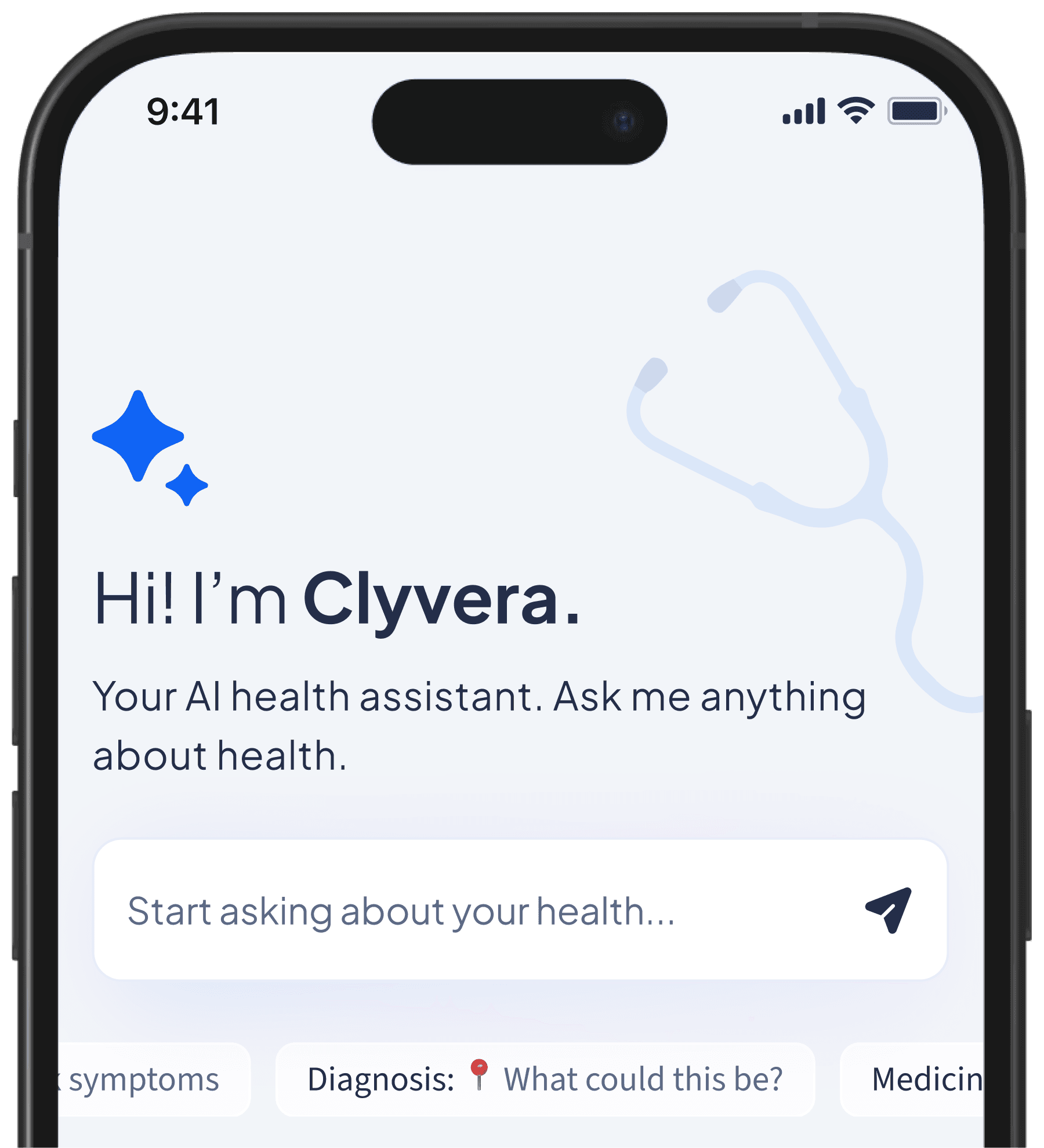
Mobile screenshot showing clyvera app landing page
Icon of HIPAA complaince
Icon of GDPR complaince

Join thousands of users embracing smarter Cancer-care with Clyvera.

©2025 Docbud Corp - All Rights Reserved.

Clyvera app Logo

Your smart health journey begins here

Take the first step towards better health and peace of mind—because you deserve it.

Mobile screenshot showing clyvera app landing page
Icon of HIPAA complaince
Icon of GDPR complaince

Join thousands of users embracing smarter Cancer-care with Clyvera.

©2025 Docbud Corp - All Rights Reserved.

Clyvera app Logo

Your smart health journey begins here

Take the first step towards better health and peace of mind—because you deserve it.

Mobile screenshot showing clyvera app landing page
Icon of HIPAA complaince
Icon of GDPR complaince

Join thousands of users embracing smarter Cancer-care with Clyvera.

©2025 Docbud Corp - All Rights Reserved.