Feeling dizzy when standing up? Causes of a head rush

You get up from the sofa. For a few seconds, everything feels slightly off.
Your head feels light. Your vision may blur or darken around the edges. You instinctively reach for the wall. And then, almost as quickly as it started, you're fine.
Sound familiar?
That brief “head rush” when you stand up is something many people experience. Sometimes the explanation is relatively simple. But if it keeps happening, lasts longer, or comes with other symptoms, it may be worth paying closer attention.
What just happened?
When you're sitting or lying down and suddenly stand, gravity pulls some of your blood toward your legs and abdomen. Your body normally compensates quickly. Your heart and blood vessels adjust to keep enough blood flowing to your brain.
But sometimes that adjustment isn't fast enough. Your blood pressure temporarily falls, which can leave you feeling dizzy, lightheaded, weak or faint.
When the fall in blood pressure after standing is significant enough, doctors call it orthostatic hypotension, also known as postural hypotension.
Mayo Clinic explains orthostatic hypotension as a form of low blood pressure that occurs when standing after sitting or lying down. So yes, that strange few-second feeling actually has a medical explanation.
Does that mean something is wrong?
Not necessarily. An occasional head rush can happen for relatively everyday reasons.
Think about the circumstances.
Did you just get out of bed quickly?
Standing suddenly after lying down for a long time can make the change more noticeable.
Have you had enough water today?
Dehydration reduces blood volume and can contribute to a drop in blood pressure. This can be particularly relevant after exercise, heavy sweating, vomiting, diarrhoea or spending time in hot weather.
Is it particularly hot?
Heat can widen blood vessels and contribute to dehydration, making symptoms more noticeable for some people.
Have you been unwell or resting in bed for several days?
Prolonged bed rest can also contribute to orthostatic symptoms.
Current NHS guidance on postural hypotension lists dehydration, certain heart conditions and hormone-related problems among its possible causes.
The important thing isn't one isolated dizzy spell. It's the pattern around it.
The 10-second check
Next time it happens, don't just think:
“I stood up too quickly.” Notice a few other things.
1. How often is it happening?
Once after a long, hot day is very different from experiencing dizziness nearly every time you stand.
Frequent episodes deserve more attention.
2. How long does it last?
Orthostatic dizziness is often brief.
If you're experiencing persistent, severe or unexplained dizziness, there may be other causes that need to be considered.
3. What comes with it?
A brief lightheaded feeling is one thing.
Lightheadedness accompanied by fainting, significant weakness, blurred vision, confusion or heart palpitationsgives your healthcare professional much more information about what may be happening.
Mayo Clinic lists dizziness, blurred vision, weakness, fainting and confusion among symptoms that can occur with orthostatic hypotension.
4. Did something recently change?
This question is easy to overlook. Did the dizziness begin after starting a new medication? After becoming ill? During particularly hot weather? After changing your eating or drinking habits?
A change in context can sometimes be as useful as the symptom itself.
What if it happens regularly?
This is where “I just stood up too fast” may stop being a sufficient explanation. Repeated dizziness on standing can have several possible causes.
Dehydration can reduce the amount of blood circulating through your body.
Certain medications can affect blood pressure. These include some medicines used for high blood pressure and heart conditions, as well as some other types of medication.
Anaemia can also be associated with dizziness, particularly when symptoms such as fatigue, weakness or pale skin are present.
Some heart, hormonal or nervous system conditions can interfere with the body's ability to regulate blood pressure appropriately.
You can read more about the broader causes of dizziness from Mayo Clinic.
The point isn't to diagnose yourself from this list.
In fact, it's the opposite. The same symptom can have very different explanations depending on the person experiencing it.
Could you simply check your blood pressure?
Blood pressure is one of the things a healthcare professional may assess when repeated dizziness occurs after standing.
They may compare readings while you're lying or sitting with readings after you stand.
For orthostatic hypotension, healthcare professionals look for a meaningful drop in blood pressure following the change in position. Evaluation may also include your medical history, medications, symptoms and, depending on the circumstances, additional tests.
Mayo Clinic's diagnostic overview explains how standing and sitting blood-pressure measurements can form part of this assessment.
A single home reading, however, shouldn't be used to diagnose yourself.
What can you do the next time it happens?
If you become lightheaded after standing, sit or lie back down until the feeling passes.
Getting up more gradually can also help some people. Maintaining adequate hydration is important, particularly during hot weather, illness or exercise.
But avoid jumping from “my blood pressure might be low” to changing your medication, dramatically increasing salt intake or trying to treat yourself.
If medication could be contributing, speak with the healthcare professional who prescribed it rather than stopping or changing it yourself. Treatment for orthostatic hypotension depends on why it's happening in the first place.
When is dizziness more than a head rush?
Repeated dizziness shouldn't simply become something you learn to live with.
Speak with a healthcare professional if the episodes are frequent, unexplained, worsening or interfering with everyday activities.
Fainting deserves particular attention, even when you recover quickly.
Seek urgent medical care for new or severe dizziness accompanied by symptoms such as:
Chest pain
Difficulty breathing
A sudden severe headache
A rapid or irregular heartbeat
Fainting or seizures
Weakness or numbness affecting the face, arm or leg
Difficulty walking
Double vision or a sudden change in hearing
These symptoms can have causes unrelated to orthostatic hypotension and may require urgent assessment.
Mayo Clinic's dizziness guidance provides further information on symptoms that warrant emergency medical attention.
One symptom. Different stories.
Imagine three people saying exactly the same thing:
“I feel dizzy when I stand up.”
One spent the afternoon exercising in hot weather and hasn't had enough water. Another started a new blood-pressure medication last week. The third has been experiencing dizziness alongside weakness and fatigue for months.
Same symptom.Very different context.
And potentially very different next steps. That's why understanding health often requires more than searching one symptom at a time.
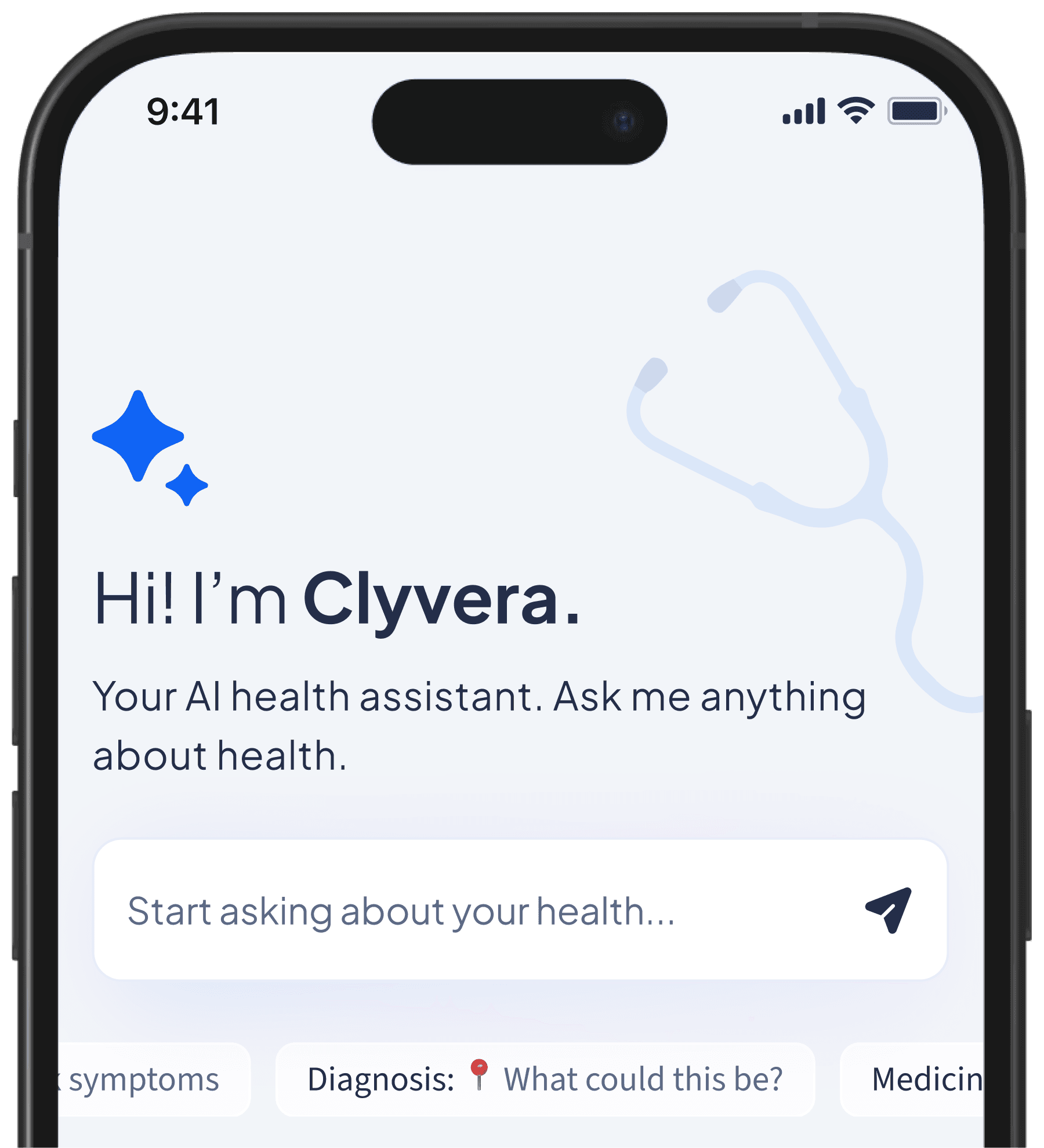
Clyvera helps you bring those pieces together by looking at what you're experiencing alongside relevant health context and symptom patterns.
Not to turn every head rush into a diagnosis. But to help you better understand the difference between:
“That happened once.” and “This keeps happening. Maybe I should pay attention.”
Sometimes, that distinction matters.
Related Blogs