When should you actually worry about cancer? Turning symptoms into screening decisions

It's been so common when you notice something unusual about your body, and the first thing your brain does is spiral. Is this something? Should I get it checked? Am I overthinking? Or worse am I not thinking about it enough?
The honest answer is: most symptoms are not cancer. But some are worth paying attention to, and knowing the difference can significantly impact outcomes. Cancer caught early is almost always more treatable than cancer caught late. That is not a scare tactic; that is just oncology.
This blog breaks down how to think about cancer screening, not with anxiety, but with a clear framework based on your age, risk factors, and the symptoms that actually warrant medical attention.
Cancer symptoms that should prompt a conversation with your doctor
No list of symptoms can replace a clinical evaluation, and this one is not trying to. But certain patterns are worth flagging. If you notice any of the following persisting for more than two to three weeks, that is a reasonable threshold to bring it up with your doctor:
Unexplained weight loss (losing 5–10% of body weight without trying)
Persistent fatigue that does not improve with rest
A lump or thickening anywhere in the body, particularly in the breast, neck, or underarms
Unusual bleeding, such as blood in urine, stool, or unexpected vaginal bleeding
A cough or hoarseness that lingers longer than a few weeks, especially in smokers
Difficulty swallowing or persistent indigestion
A sore or skin change that does not heal
Changes in bowel or bladder habits that are new and unexplained
QUICK NOTE- These symptoms do not always mean you have cancer. They mean you can have a risk and a reason to ask the questions from healthcare providers, and asking is always the right move.
Which Symptoms Point to Which Screening and When to Act
Symptoms alone rarely confirm a diagnosis but they do tell you which direction to look. Here is how to connect what you are feeling to the screening conversation you should be having.
Breast Cancer Screening
Watch for: A new lump in the breast or underarm, spontaneous or bloody nipple discharge, skin dimpling or redness, or any change in breast shape or feel.
Tests: Mammogram (standard annual screening from age 40), Breast MRI (for high-risk women with BRCA mutation or strong family history), Ultrasound (often used alongside mammogram for dense breast tissue).
When to act: Any of the above symptoms, see your doctor regardless of age. No symptoms but over 40? Schedule your annual mammogram as early symptom analysis has better success rate and diagnosed at stage I has a 5-year survival rate of 100%
Colon Cancer screening
Watch for: Blood in or on the stool, persistent change in bowel habits, unexplained abdominal cramping, or a feeling of incomplete emptying.
Tests: Colonoscopy (gold standard, every 10 years from age 45 if no polyps found), FIT or stool DNA test (non-invasive alternative, annual or every 1–3 years), Virtual colonoscopy / CT colonography (imaging-based alternative, every 5 years).
When to act: Symptoms at any age bring them up immediately. If no symptoms, then average risk start at age 45. If a parent or sibling had colon cancer or precancerous polyps, that starting age may move to 40, or ten years before their diagnosis, whichever is earlier.
Lung Cancer Screening
Watch for: A persistent cough that worsens over weeks, coughing up blood, chest pain that deepens when breathing, unexplained hoarseness, or recurring chest infections.
Tests: Low-dose CT scan (LDCT), its the only recommended screening tool for lung cancer.
When to act: Symptoms at any age, evaluate promptly, especially in smokers. If you have no above symptoms but aged 50–80 with 20+ pack-year smoking history, currently smoking or quit within 15 years then annual LDCT is recommended.
Cervical Cancer Screening
Watch for: Unusual vaginal bleeding (between periods, after sex, or after menopause), pelvic pain not related to your menstrual cycle, or unusual vaginal discharge.
Tests: Pap test (from age 21, every 3 years), HPV test or Pap + HPV co-test (from age 30, every 5 years).
When to act: Any of these above symptoms? Then do not delay and see your doctor. If no symptoms, then routine screening starts at 21. HPV vaccination lowers your risk significantly but does not replace screening.
Prostate Cancer Screening
Watch for: Difficulty starting or stopping urination, weak urine flow, frequent urination especially at night, blood in urine or semen, or persistent lower back or hip pain.
Tests: PSA (Prostate-Specific Antigen) blood test, Digital Rectal Exam (DRE) are often done together, though neither is universally mandated.
When to act: Symptoms at any age, then discuss them with your doctor. No symptoms — PSA screening is not one-size-fits-all. Have an individual conversation with your doctor from age 50 (or 45 if you are Black or have a first-degree relative with prostate cancer), weighing your personal risk and preferences.
QUICK NOTE- Experiencing any of the symptoms above does not automatically mean something is seriously wrong, there is a benign explanation. But getting checked is always the smarter choice over guessing. If the idea of cancer screening makes you anxious, read here on how to stay stress-free before a screening.
Family history changes everything
One of the most consistent themes in cancer medicine is that a diagnosis in one family member is a signal for everyone else. This is especially true for colon, breast, and ovarian cancers, where genetic mutations like BRCA1, BRCA2, and Lynch syndrome can significantly elevate risk across generations.
Although only 5–10% of all cancer cases are attributed to inherited genetic defects, early screening allows individuals to make proactive decisions about their health, including preventive interventions, before cancer ever develops.
A similar case was shared by Dr. Sud (Oncologist), involving breast cancer and genetic testing for BRCA mutations. A patient with a family history of ovarian cancer tested positive for the mutation, which led to testing her young daughter, who also tested positive. This early detection enabled the daughter to take proactive steps, including preventive measures, to reduce her cancer risk.
Turning all of this into a personal screening plan
Guidelines are a starting point. What actually matters is what those guidelines mean for you — given your age, your family history, your genetic background, your previous screening records, and the gaps in your care.
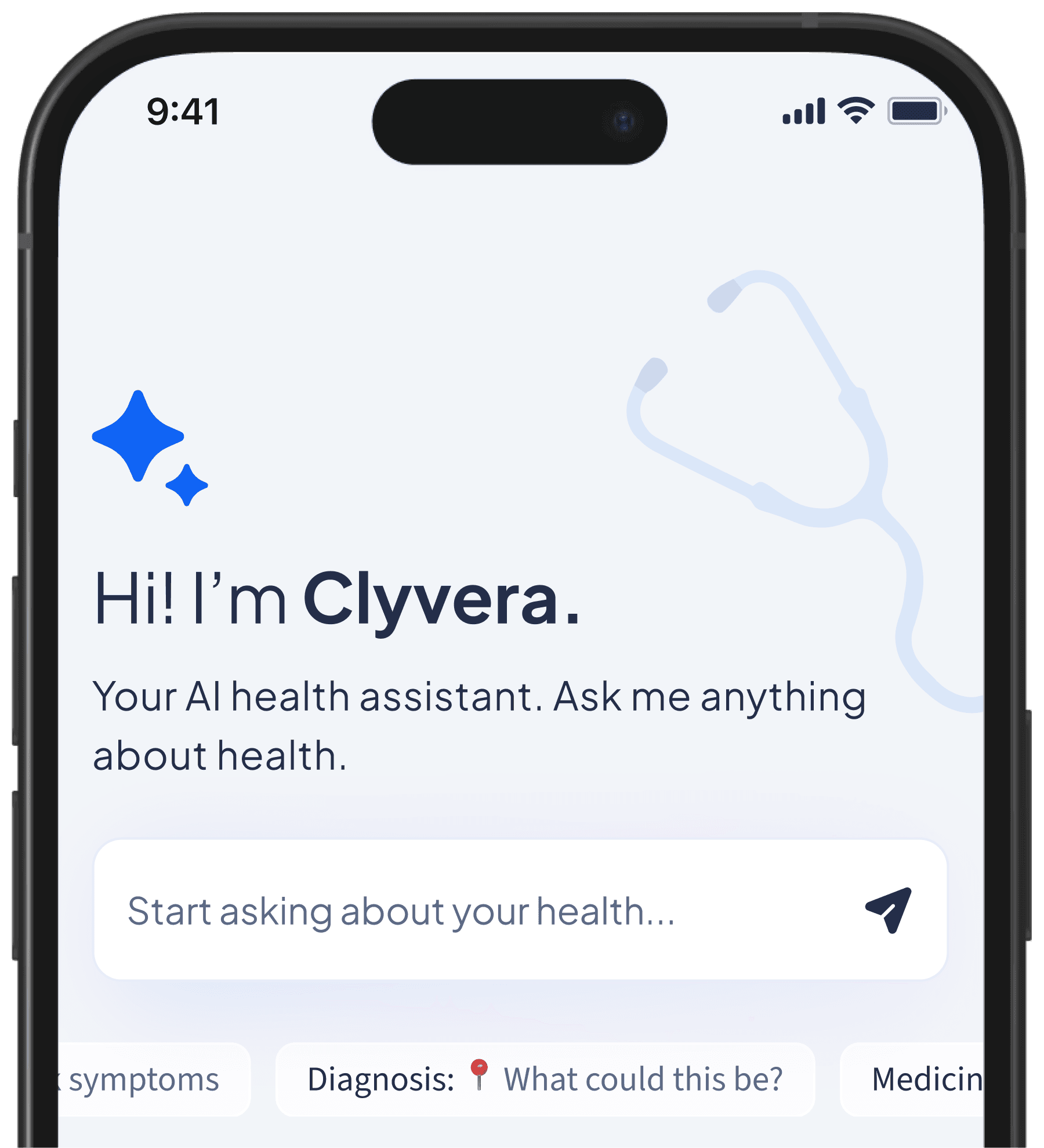
Start with the Symptom checker app that is built with doctors such as Clyvera. It's built around established guidelines from the USPSTF and the American Cancer Society. Such an app can be your first step!
Enter your symptoms, medical history, and family background, and it maps out a personalized screening plan telling you exactly what tests you need and when. No guesswork, no missed gaps.
Then, book your doctor's appointment. Take that plan to your physician. Clyvera helps you show up prepared with your screening history organized, the right questions ready, and a clear picture of your health profile so your doctor can focus on what matters most for you specifically.
This two-step approach, i.e., check first, consult second, means nothing slips through the cracks.
QUICK NOTE: Use the symptom checker apps only for analysing and understanding the disease better, not as a professional replacement.
The bottom line
Cancer screening is not about fear; it is about information. It is about making sure that if something is growing somewhere in your body, you find out while there is still the most room to act.
If a symptom does appear, the right time to bring it up with your doctor is now, not in a few months, not after you have googled yourself into a panic, but in your next appointment.
Related Blogs