Common barriers to cancer screening and how to overcome them without the stress

Dr. Rohit Sud has spent over a decade as an oncologist, sitting across from patients at some of the most difficult moments of their lives. Over the years, he has noticed a pattern that troubles him as much as any diagnosis: patients who waited too long to get themselves diagnosed.
People who sensed something wasn’t right, who had the access and means for preventive health screening, and still delayed getting checked.When asked why, the answers were rarely simple. It was fear, or busyness, or the quiet hope that whatever they were feeling would simply go away.
"I've seen this more times than I can count," Dr. Sud has said. "The delay is often not about not caring. It's about not knowing how to begin, or being too afraid of what the answer might be."
This blog is for anyone who has ever postponed cancer screening, ignored a symptom, or walked out of a doctor’s appointment with more confusion than clarity. If hesitation or fear has ever held you back, this will help you understand how you can overcome those fear of screening.
Why People Delay Cancer screenings and why It matters
According to the Prevent Cancer Foundation's 2025 early detection survey conducted over 7,000 adults found that just 51% of U.S. adults stayed up to date with routine check-ups or cancer screenings in the past year. This ia a sharp 10 % decline from 2024.
This gap is concerning, especially when you consider how far medicine has come.The survival rate of cancer patients had raised due to technologcal advancements.
According to the American Cancer Society, the five-year relative survival rate for all cancers combined has reached 70%, up from 49% in the mid-1970s. This progress is largely driven by early cancer detection and timely intervention.
When breast cancer is detected early, the five-year survival rate is about 99%
For lung cancer caught at stage I, five-year survival is 67% compared to single digits when caught at stage IV.
These numbers clearly highlight the benefits of early detection.
And yet, despite this progress, many people still delay or avoid screening tests for cancer.
The gap between what people fear and what modern medicine can actually offer is real and it directly impacts outcomes.
So what keeps people away from quick screening? Let’s check them:
The barriers are real, and they are varied
1) Fear of the Result
Let's be honest. The most human response to a worrying symptom is to hope it goes away on its own. If you don't look, nothing is confirmed. That logic is understandable, but it quietly works against you.
Research shows that fear of cancer can tip into what scientists call "defensive avoidance", where people stop seeking information altogether and disengage from care. The painful irony is that the thing people are most afraid of finding becomes far more treatable when found early.
2) Discomfort with the procedure
Colonoscopy prep is unpleasant. Mammograms are uncomfortable. Some people dread clinical settings altogether. These are real concerns and worth raising with your doctor.
What's also worth knowing that most screening discomfort is brief. And for colorectal cancer specifically, a colonoscopy isn't the only option, stool-based tests and CT colonography exist for exactly this reason. There is almost always a path forward that fits the person.
3) Medical Terms That Create Confusion
Words like tumor, mass, lump, or growth are often used interchangeably but they don’t always mean cancer. Similarly, terms like benign and malignant describe very different conditions, yet many patients don’t fully understand the difference in the moment.
As Dr. Rohit Sud explains, even a word like leukemia can be misleading. It includes both fast-growing (acute) and slow-growing (chronic) types and something that’s not always clear during a first conversation.
The result? Patients leave appointments feeling unsure, overwhelmed, or even more anxious than before.
This isn’t a failure on the patient’s part, it’s a communication gap.That’s why understanding basic terms can help people feel more in control and make better decisions about screening tests for cancer.
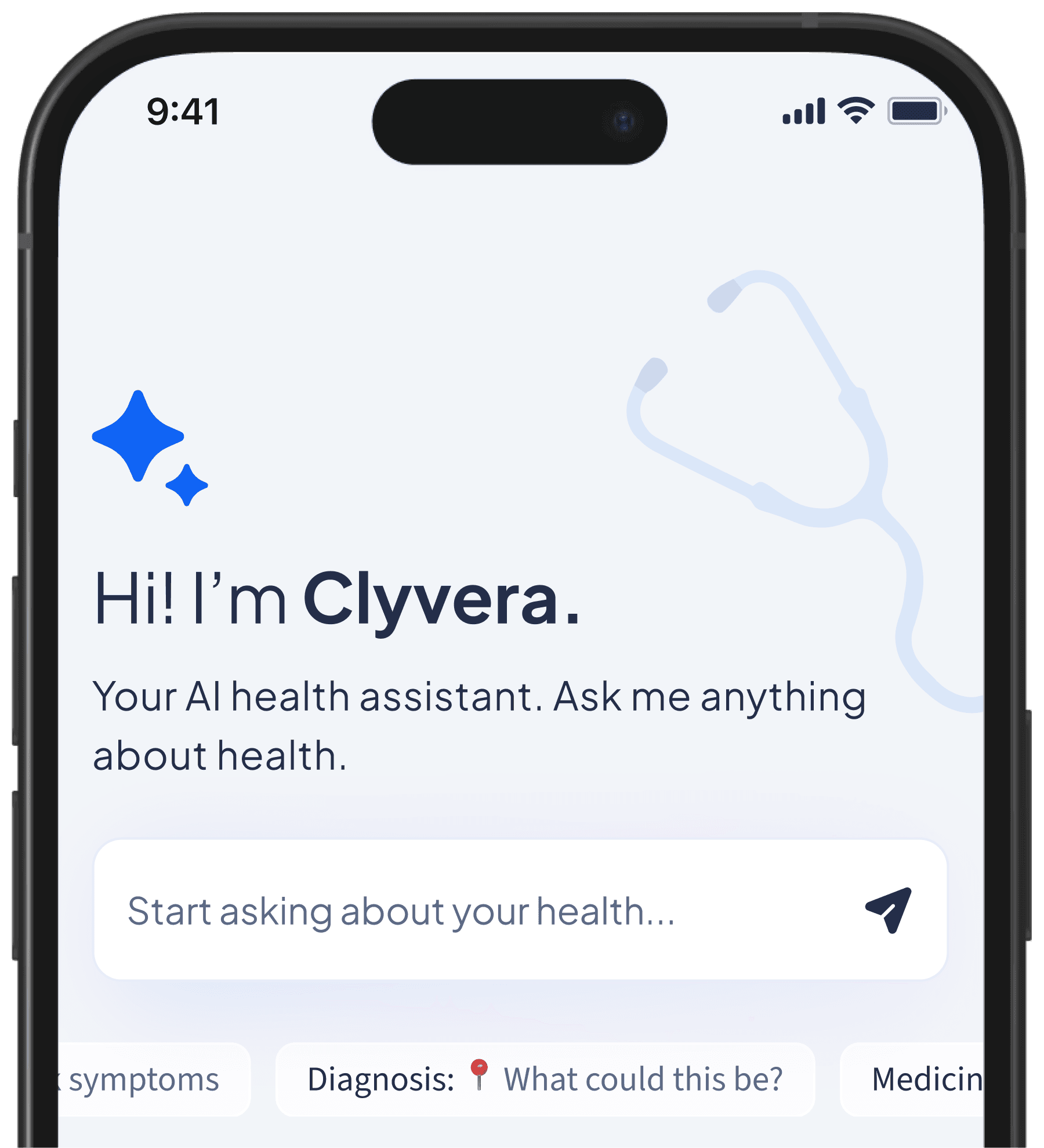
Digital tools like Clyvera can support this process by simplifying complex medical information and helping patients prepare better for conversations with their doctors. That said, they are meant to assist not replace professional medical advice.
4) Past negative healthcare experiences
For some, delaying screening comes down to past healthcare experiences.
Rushed visits, unclear explanations, or feeling unheard can reduce trust. Over time, this makes people less likely to return for preventive health screening, despite understanding the importance of cancer screening.
Better communication changes this. When doctors explain clearly and involve patients, trust improves and so does follow-through on screening tests for cancer.
5) Time, cost, and access: The barriers no one talks about enough
Time off work, transport, childcare, cost, insurance confusion, these aren't excuses, they're real structural barriers that fall hardest on people with the least flexibility.
Research from the American Cancer Society Cancer Action Network confirms this: uninsured and underinsured patients have consistently lower screening rates and are more likely to be diagnosed at advanced stages. More than one in three US adults in the Prevent Cancer Foundation survey said they'd prioritise screenings if costs were lower.
If cost is the barrier, it's worth knowing that the Affordable Care Act mandates most cancer screenings be covered at no cost for eligible patients. A community health centre or patient navigator can help you find what's available.
What actually helps: Stressfree ways to move forward
Talk to your doctor before the appointment, not just during it. If you know that fear, past experiences, or specific procedures are on your mind, say so upfront. Physicians who know about a patient's anxiety can approach the conversation differently, with more context and more patience. Dont hesitate at all to talk to doctors and ask step by step process.
Come prepared with questions. Write them down. Ask what screening tests are recommended for your age and health history, what each test involves, and what different results would mean in plain language. Ask about alternatives if a specific procedure is a significant barrier.
Tip: Tools like Clyvera can help you sort out initial doubts and go into your appointment better prepared.
Stay grounded in the present moment. Since scanxiety is often driven by fear of future results, keeping yourself busy with simple activities like cooking, talking to a friend, or going for a walk can help ease the stress.
Bring someone with you. A family member or trusted friend can help you remember what was said, ask follow-up questions, and offer support during an emotionally charged appointment.
Keep a consolidated record of your health history. One of the underappreciated reasons patients fall behind on screenings is that their medical records are scattered. Having a single, organized record of your screening history, lab results, and family medical background allows you to walk into any appointment informed. Some patients use digital health tools that help aggregate this information and flag gaps in recommended screenings based on established guidelines like those from the USPSTF and the American Cancer Society.
Final Thoughts
Cancer screening is, at its core, an act of self-advocacy. It requires confronting fear, navigating systems that can be frustrating, trusting providers and making time in a life that is already full. None of that is trivial.
But the data is clear: early detection changes outcomes. . For many cancer types, when caught early, that number is far higher. The progress is real, and it continues.
The barriers explored in this piece i.e. fear, discomfort, confusion, distrust, logistics, cost are real too. The goal is not to dismiss them but to work through them.
If you have been putting off a screening, consider this your gentle reminder that the information you might find there is almost certainly more useful than the worry you are carrying in its absence.
Related Blogs