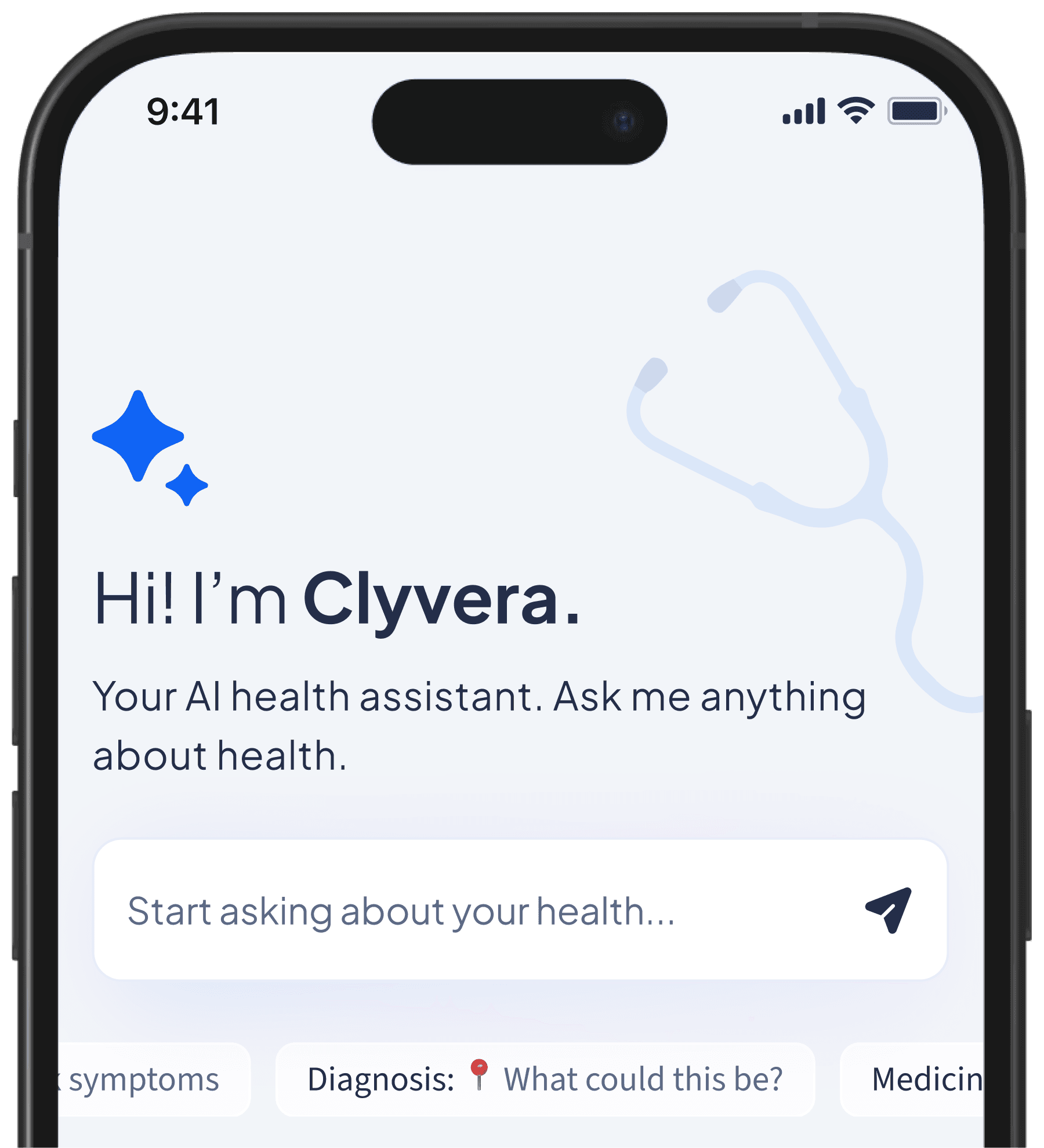
Dig into the ways AI Is improving patient safety and recovery (including real case studies)

Healthcare systems worldwide are under increasing pressure due to rising patient numbers, complex diseases, and limited medical resources. Artificial intelligence (AI) technologies are helping address these challenges by analyzing large volumes of medical data and supporting faster decision-making.
At the same time, healthcare remains one of the most sensitive sectors when it comes to adopting new technologies. People’s lives depend on accurate medical information, and even a small error or misleading data can create confusion or health anxiety among patients. Because of this, the use of AI in healthcare must be approached carefully, with strong oversight from medical professionals.
When used carefully, AI can significantly improve patient care.
In this article, we explore how AI is revolutionizing patient care and how digital health tools are making healthcare more accessible.
Why AI Is needed for patient care
Healthcare professionals are under a pressure that is unsustainable. You have likely felt it yourself: you go to the doctor for a sudden health concern only to sit for hours in a waiting room watching the clock. Behind the scenes, doctors are handling an increasing number of patients and analyzing lab reports, all while trying to make life-altering decisions in a matter of minutes.
Two major factors behind this growing pressure are:
An aging population: WHO predicts 2.1 billion people to be aged 60+ by 2050, increasing the demand for chronic care.
Clinician burnout: Many doctors spend significant time on administrative tasks rather than patient care.
Given this pressure, there are ways AI can play an important supporting role:
Analyzing large volumes of medical data quickly
Organizing patient information for faster decision making
Identifying patterns in symptoms and medical histories
AI is not meant to replace healthcare professionals: rather, it works as a support system that can enhance clinician capabilities, assist in decision making, and improve patient-reported outcomes.
Real examples of how AI can improve patient safety and help them understand their health better
1) Early health diagnosis
Early diagnosis is one of the most important factors in improving treatment outcomes. AI-powered diagnostic tools can analyze medical images and clinical data to detect disease patterns earlier than traditional methods.
For example, a Nature study found that an AI system used in breast cancer screening reduced missed cancer cases (false negatives) by 9.4% and unnecessary cancer alerts (false positives) by 5.7% in U.S. mammogram readings. The system helped catch more real cancer cases while also reducing situations where patients were wrongly flagged for cancer. This helped doctors detect cancer earlier as well as avoid unnecessary follow-up tests.
These AI systems will not replace doctors but they can help them analyze complex medical data faster and more efficiently.
2) Advanced symptom analysis
Often, symptoms appear long before someone decides to visit a doctor. When something feels off, people often try to figure it out themselves. Today, AI-driven health apps are helping with this early stage of symptom analysis. These tools guide users through structured questions about symptoms, timing, severity, and lifestyle factors. This helps patients organize their health information before meeting a doctor and can save valuable consultation time.
But this raises an important question: Are AI symptom checkers actually accurate?
A systematic review published in npj Digital Medicine found that symptom checkers correctly identified the main diagnosis 19–38% of the time, while their triage accuracy ranged from 48–90%, suggesting these tools are better at guiding care decisions than making definitive diagnoses.
Moreover, they can also reduce communication barriers between patients and doctors. In many cases, patients may hesitate to mention certain habits, supplements, or medications during consultations.
Dr. Rohir Sud, a certified oncologist, shared a real patient case where a young man came in with unusually high red blood cell counts. The patient initially denied taking testosterone, but after multiple visits, the doctor discovered he had been using testosterone gel from a friend, which was causing the issue. Once he stopped, his blood levels improved.
Situations like this highlight how AI-powered symptom-checking apps can help patients to discuss sensitive health concerns easily that they otherwise might shy away from. This support can potentially save valuable consultation time.
3) Administrative workflow automation with agentic AI
Agentic AI is transforming how routine healthcare operations are managed. Unlike traditional automation tools, these systems can learn from real-world interactions and handle multi-step administrative tasks with minimal supervision. In hospitals and clinics, agentic AI can ease workflows such as staff scheduling, patient intake, and clinical documentation, the types of tasks that typically consume a large portion of clinician’s time.
Another advantage is agentic AI’s ability to support real-time decisions. AI agents can analyze patient data and operational information simultaneously to assist clinicians or trigger necessary actions. Over time, these systems also adapt and improve, learning from new data sources and integrating with digital platforms like electronic health record systems to operate more efficiently.
4) Enhancing home rehabilitation with AI physiotherapy assistants
Physiotherapy is a key part of recovery, especially after injuries and surgeries, but frequent clinic visits can be difficult for many patients. With the growing use of AI in healthcare, Virtual Physiotherapy Assistants (VPAs) are emerging as a practical solution for home-based care. These systems track movement, provide real-time feedback, and personalize exercises to improve recovery outcomes.
A real-world study published on ScienceDirect compared patients using a remote, AI-supported rehabilitation program with those receiving traditional outpatient care. The group using the AI-driven approach showed comparable recovery outcomes for musculoskeletal conditions while benefiting from remote access.
While challenges like cost and accessibility remain, this example shows the strong potential for AI in making rehabilitation more flexible, consistent, and accessible.
The verdict
AI is reshaping patient care from early symptom analysis to treatment and long-term monitoring. However, patients need to understand that these tools are meant to provide insights into their health, not definitive conclusions. Backed by medical expertise, platforms like Clyvera help patients better understand their health, prepare for consultations, and communicate more effectively with doctors, bridging gaps that often arise in clinical settings.
For AI to reach its full potential, healthcare systems must ensure secure, interoperable solutions and ongoing education.
Related Blogs