Breast cancer survivorship: Recovery, symptoms & follow-up care

Finishing breast cancer treatment is a major milestone, but it doesn't always mean the journey is over. Many people expect life to return to normal immediately after surgery, chemotherapy, radiation therapy, or hormone therapy. Instead, they often discover that recovery continues long after treatment ends.
This phase is known as breast cancer survivorship—a period focused on healing, monitoring your health, managing long-term side effects, and reducing the risk of recurrence. While every survivor's experience is unique, understanding what to expect can help you feel more confident and prepared.
In this guide, we'll explore what breast cancer survivorship means, common physical and emotional challenges after treatment, signs you should discuss with your healthcare provider, and how symptom tracking can support your long-term health.
What is breast cancer survivorship?
Breast cancer survivorship begins at the time of diagnosis and continues throughout the rest of a person's life. However, the term is commonly used to describe life after completing active treatment.
Survivorship isn't only about being cancer-free. It also includes:
Recovering physically after treatment
Managing long-term or late side effects
Monitoring for recurrence
Supporting emotional and mental well-being
Maintaining a healthy lifestyle
Attending regular follow-up appointments
Today, more people are living longer after breast cancer than ever before thanks to earlier detection and advances in treatment. According to the U.S. Centers for Disease Control and Prevention (CDC), the overall 5-year relative survival rate for female breast cancer is about 92%, although survival depends on the stage at diagnosis.
Common physical changes after breast cancer treatment
Recovery looks different for every survivor. Some people feel well within weeks, while others experience symptoms that continue for months or years.
Some of the most common long-term effects include:
Fatigue
Cancer-related fatigue is different from ordinary tiredness. It may persist even after getting enough sleep and can affect work, exercise, and daily activities.
Fatigue often improves gradually, but persistent or worsening fatigue should be discussed with your healthcare provider.
Pain or Tightness
Some survivors experience:
Breast pain
Chest wall discomfort
Shoulder stiffness
Scar tenderness
These symptoms may result from surgery, radiation therapy, or changes in surrounding muscles and nerves.
Lymphedema
If lymph nodes were removed or treated with radiation, fluid may build up in the arm, hand, or chest, causing swelling known as lymphedema.
Early treatment can help prevent progression, making it important to report swelling as soon as it appears.
Peripheral Neuropathy
Certain chemotherapy drugs may damage nerves, leading to:
Tingling
Numbness
Burning sensations
Weakness in the hands or feet
For some people, symptoms gradually improve, while others may experience long-term nerve changes.
Bone and Joint Pain
Hormone therapies used to reduce the risk of recurrence can sometimes cause joint stiffness, muscle aches, or decreased bone density, especially after menopause.
Emotional recovery is part of survivorship
The emotional impact of breast cancer doesn't always end when treatment finishes.
Many survivors experience:
Anxiety before follow-up scans
Fear that cancer may return
Depression
Sleep disturbances
Difficulty concentrating ("chemo brain")
Changes in body image
Concerns about relationships or returning to work
These feelings are common and deserve attention just as much as physical symptoms. Support groups, counseling, exercise, mindfulness practices, and open communication with your healthcare team can all play an important role in recovery.
Healthy habits that support breast cancer survivorship
Although no lifestyle change can completely eliminate the risk of recurrence, healthy habits contribute to overall well-being and may improve long-term outcomes.
Healthcare providers often recommend:
Staying physically active
Eating a balanced diet rich in fruits, vegetables, whole grains, and lean protein
Maintaining a healthy body weight
Limiting alcohol consumption
Avoiding tobacco
Prioritizing quality sleep
Managing stress
Regular follow-up appointments and recommended screening tests remain an essential part of survivorship care.
Symptoms you should never ignore
Many symptoms after treatment are harmless or related to recovery, but some require prompt medical evaluation.
Contact your healthcare provider if you notice:
A new lump in the breast, chest wall, or underarm
Persistent bone pain that doesn't improve
Unexplained weight loss
Shortness of breath
Ongoing cough
Severe headaches
Vision changes
New swelling of the arm or chest
Persistent fatigue that continues to worsen
These symptoms don't necessarily mean cancer has returned, but they should always be assessed by a medical professional.
Why follow-up care matters
Even after treatment ends, regular follow-up visits remain an important part of breast cancer survivorship.
Your healthcare team may monitor:
Recovery from treatment
Side effects
Bone health
Heart health (for certain treatments)
Hormone therapy progress
Signs of recurrence
Overall physical and emotional well-being
The American Cancer Society and the American Society of Clinical Oncology emphasize the importance of survivorship care plans that help patients understand follow-up schedules, manage long-term side effects, and coordinate care with their healthcare providers.
How symptom tracking can support survivors
Many changes after breast cancer treatment develop gradually. Symptoms such as fatigue, pain, swelling, sleep disturbances, or mood changes can fluctuate from week to week, making them difficult to remember during medical appointments.
Keeping track of symptoms can help you:
Notice patterns over time
Monitor recovery after treatment
Identify symptoms that are improving or worsening
Prepare for follow-up appointments
Have more informed conversations with your healthcare team
Instead of relying on memory alone, having a clear record of your symptoms can make it easier for healthcare providers to understand your experience and recommend appropriate next steps.
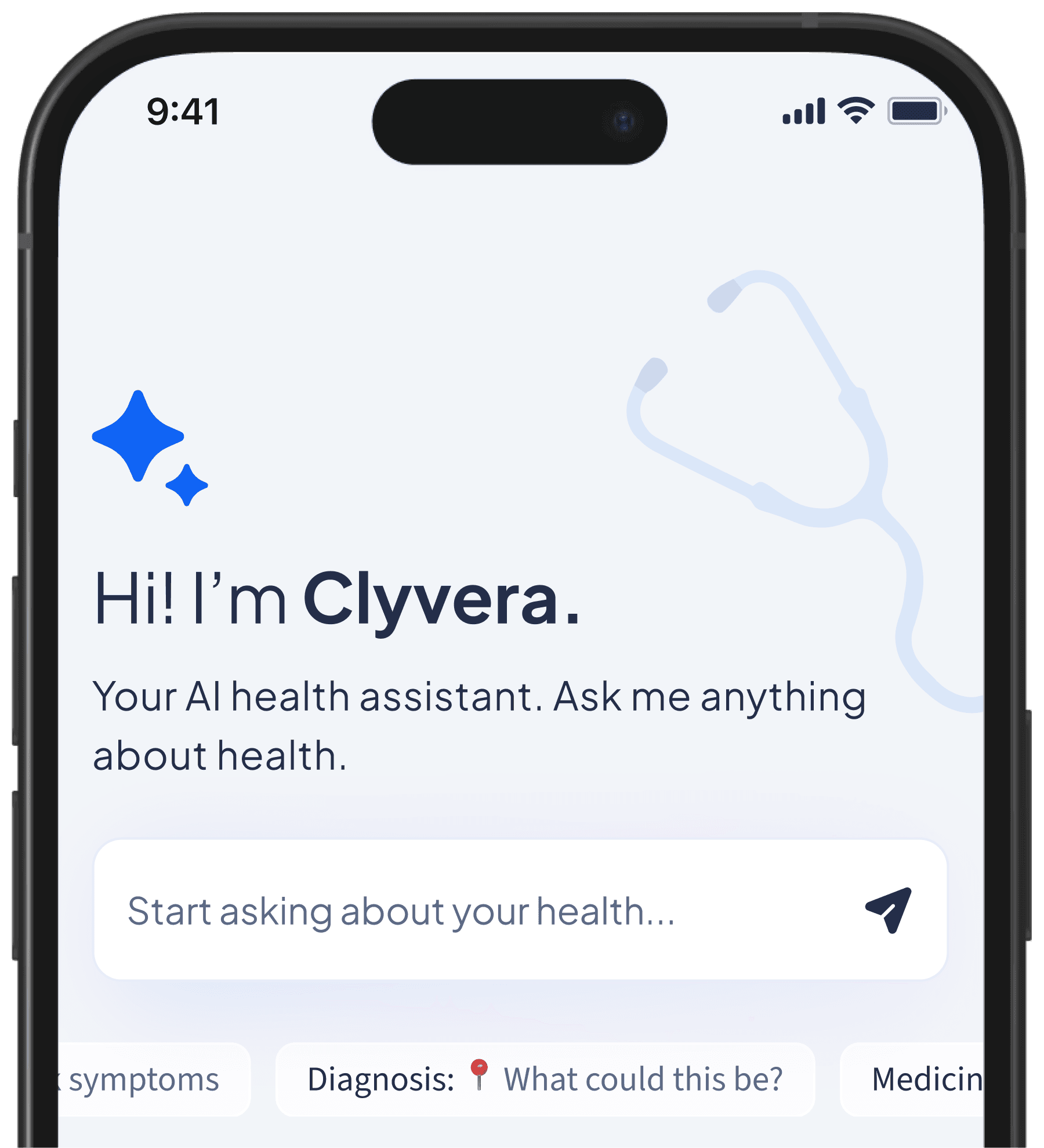
Clyvera's symptom checker can help you organize what you're experiencing, monitor changes over time, and prepare for discussions with your doctor. While it does not diagnose cancer or replace professional medical care, it can be a useful companion for tracking symptoms throughout your survivorship journey.
Conclusion
Breast cancer survivorship is about much more than completing treatment—it's about rebuilding your health, adapting to changes, and staying proactive about your well-being.
Many survivors continue to experience physical and emotional challenges, but regular follow-up care, healthy lifestyle choices, and careful symptom monitoring can help you recover with greater confidence. If you notice new or persistent symptoms, don't ignore them. Discuss them with your healthcare provider so they can determine the appropriate evaluation and care.
Recovery is a journey, and understanding your body is one of the most important steps you can take toward long-term health.
Related Blogs