Night sweats in adults: Why you keep waking up drenched in sweat

It was the third time this week.
Anita woke up at 2:30 a.m., her nightclothes soaked and her bedsheets damp. She checked the thermostat. The room wasn't particularly warm. She wasn't running a fever either.
"It must just be the weather," she thought.
Weeks passed, but the night sweats continued.
Eventually, her doctor discovered the cause wasn't the temperature at all—it was perimenopause.
For many adults, waking up drenched in sweat is an occasional inconvenience. But when it happens repeatedly, it can sometimes be your body's way of signalling that something else is going on.
While night sweats are often linked to menopause, they can also be associated with infections, hormonal changes, certain medications, thyroid disorders, diabetes, sleep disorders, and, much less commonly, some cancers.
The good news? Most cases have a treatable explanation. The key is knowing when they're normal—and when they're worth discussing with a healthcare professional.
What are night sweats?
Everyone sweats while sleeping from time to time, especially during hot weather or under heavy blankets.
Night sweats are different.
Doctors define night sweats as episodes of excessive sweating during sleep that soak your clothes or bedding, even when your bedroom is comfortably cool.
Unlike normal sweating caused by heat, night sweats usually happen because your body's internal temperature regulation changes due to hormones, infections, medications, or underlying medical conditions.
Occasional episodes aren't usually a cause for concern. However, frequent or persistent night sweats deserve attention, particularly when they occur alongside other symptoms.
Why do night sweats happen?
Sweating is one of the body's natural cooling mechanisms.
Your brain constantly monitors your internal temperature. When it senses that your body has become too warm—even if the room isn't hot—it activates sweat glands to cool you down.
Several health conditions can interfere with this temperature regulation system, causing sweating while you're asleep.
Understanding the underlying cause is far more important than treating the sweating itself.
The most common causes of night sweats
1. Hormonal Changes
One of the most common reasons adults experience night sweats is changing hormone levels.
Women going through perimenopause or menopause often experience hot flashes that continue during sleep.
Falling estrogen levels affect the brain's temperature-control centre, making the body think it's overheating even when it isn't.
Night sweats during menopause are often accompanied by:
Sudden flushing
Rapid heartbeat
Interrupted sleep
Mood changes
Irregular periods (during perimenopause)
For many women, these symptoms gradually improve over time, though treatment options are available if they become severe.
2. Infections
Your immune system naturally raises body temperature to fight infections.
As your temperature falls during sleep, the body often responds by producing sweat.
Night sweats may occur with infections such as:
Influenza (flu)
COVID-19
Tuberculosis (TB)
Endocarditis (infection of the heart valves)
HIV
Certain bacterial infections
If night sweats occur together with fever, chills, or persistent cough, medical evaluation is important.
3. Medications
Many people don't realize that medications themselves can trigger excessive sweating.
Some of the most commonly associated medicines include:
Certain antidepressants (SSRIs and SNRIs)
Steroids
Fever-reducing medications
Hormone therapy
Diabetes medications that can cause low blood sugar
If your symptoms began shortly after starting a new medication, speak with your doctor before making any changes yourself.
4. Hyperthyroidism
An overactive thyroid speeds up the body's metabolism.
People with hyperthyroidism often experience:
Heat intolerance
Night sweats
Weight loss despite eating normally
Anxiety
Tremors
Rapid heartbeat
Because these symptoms can develop gradually, many people initially mistake them for stress.
5. Low Blood Sugar During Sleep
People with diabetes—particularly those taking insulin or certain glucose-lowering medications—may experience nighttime hypoglycemia.
Common symptoms include:
Sweating
Nightmares
Restlessness
Confusion upon waking
Morning headaches
Tracking when these episodes occur can help healthcare providers adjust treatment safely.
6. Anxiety and Stress
Your body doesn't completely "switch off" while you're asleep.
Chronic stress keeps stress hormones like cortisol and adrenaline elevated, which may trigger increased sweating overnight.
People experiencing anxiety may also notice:
Racing thoughts
Difficulty falling asleep
Rapid heartbeat
Restless sleep
Managing stress may reduce symptoms over time.
7. Sleep Disorders
Certain sleep disorders can also contribute to night sweats.
For example, people with obstructive sleep apnea may wake repeatedly because breathing briefly stops during sleep.
Research suggests night sweats are more common among people with untreated sleep apnea, particularly when accompanied by loud snoring and daytime fatigue.
8. Less Common—but Important—Causes
Although uncommon, persistent night sweats can sometimes be associated with more serious medical conditions.
These include:
Lymphoma
Leukemia
Certain autoimmune diseases
It's important to remember that night sweats alone rarely indicate cancer. They usually occur alongside other symptoms such as unexplained weight loss, prolonged fever, swollen lymph nodes, or persistent fatigue.
This is why doctors evaluate the complete clinical picture rather than one symptom in isolation.
Night sweats in women
Women experience night sweats more frequently than men, largely because of hormonal fluctuations.
Common causes include:
Perimenopause
Menopause
Pregnancy
Certain hormonal medications
Thyroid disorders
If symptoms are affecting your sleep or quality of life, your healthcare provider can discuss treatment options.
Night sweats in men
In men, night sweats are more commonly linked to:
Infections
Sleep apnea
Medications
Hyperthyroidism
Anxiety
Low testosterone (less commonly)
Persistent symptoms should always be evaluated, especially if accompanied by fever or weight loss.
When should you see a doctor?
Occasional sweating isn't usually concerning.
However, it's time to seek medical advice if your night sweats:
Continue for more than two to three weeks
Frequently soak your clothes or bedding
Occur alongside fever
Are accompanied by unexplained weight loss
Are associated with swollen lymph nodes
Come with persistent cough
Cause significant sleep disruption
Occur with ongoing fatigue or weakness
Your doctor may recommend blood tests, thyroid testing, infection screening, or imaging depending on your symptoms.
Can you track night sweats before your appointment?
Night sweats often occur alongside other symptoms that may seem unrelated at first.
Keeping a record can help identify patterns.
Try noting:
How often episodes occur
Whether your clothes or sheets become soaked
Room temperature
Fever or chills
Weight changes
New medications
Menstrual cycle (if applicable)
Associated symptoms like cough, fatigue, or swollen glands
Having this information available can help your healthcare provider narrow down possible causes more quickly.
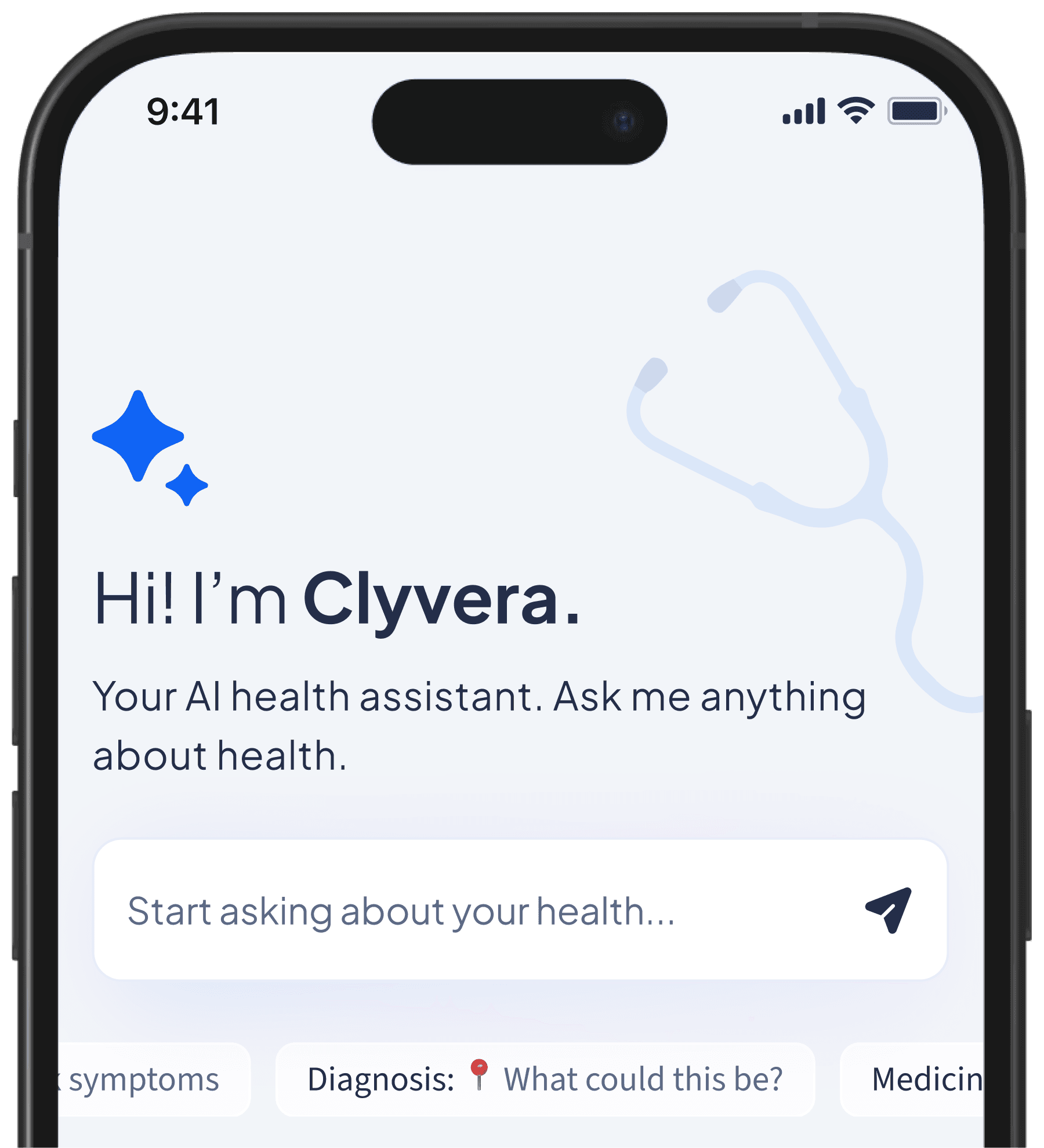
Instead of relying on memory alone, Clyvera's symptom checker helps you organize your symptoms, monitor changes over time, and understand which patterns may be worth discussing with your doctor. While it doesn't diagnose medical conditions, it can help you prepare for a more informed healthcare visit.
Conclusion
Night sweats are surprisingly common and, in many cases, have a straightforward explanation such as hormonal changes, medications, infections, or stress. However, when they become frequent, severe, or are accompanied by other symptoms, they shouldn't be ignored.
Listening to your body, tracking changes, and seeking medical advice when needed can help identify the underlying cause early and ensure you receive the right care.
If you've been waking up drenched in sweat more often than usual, consider keeping a record of your symptoms and discussing them with your healthcare provider. A little attention today could provide reassurance—or uncover a condition that's much easier to treat when caught early.
Related Blogs