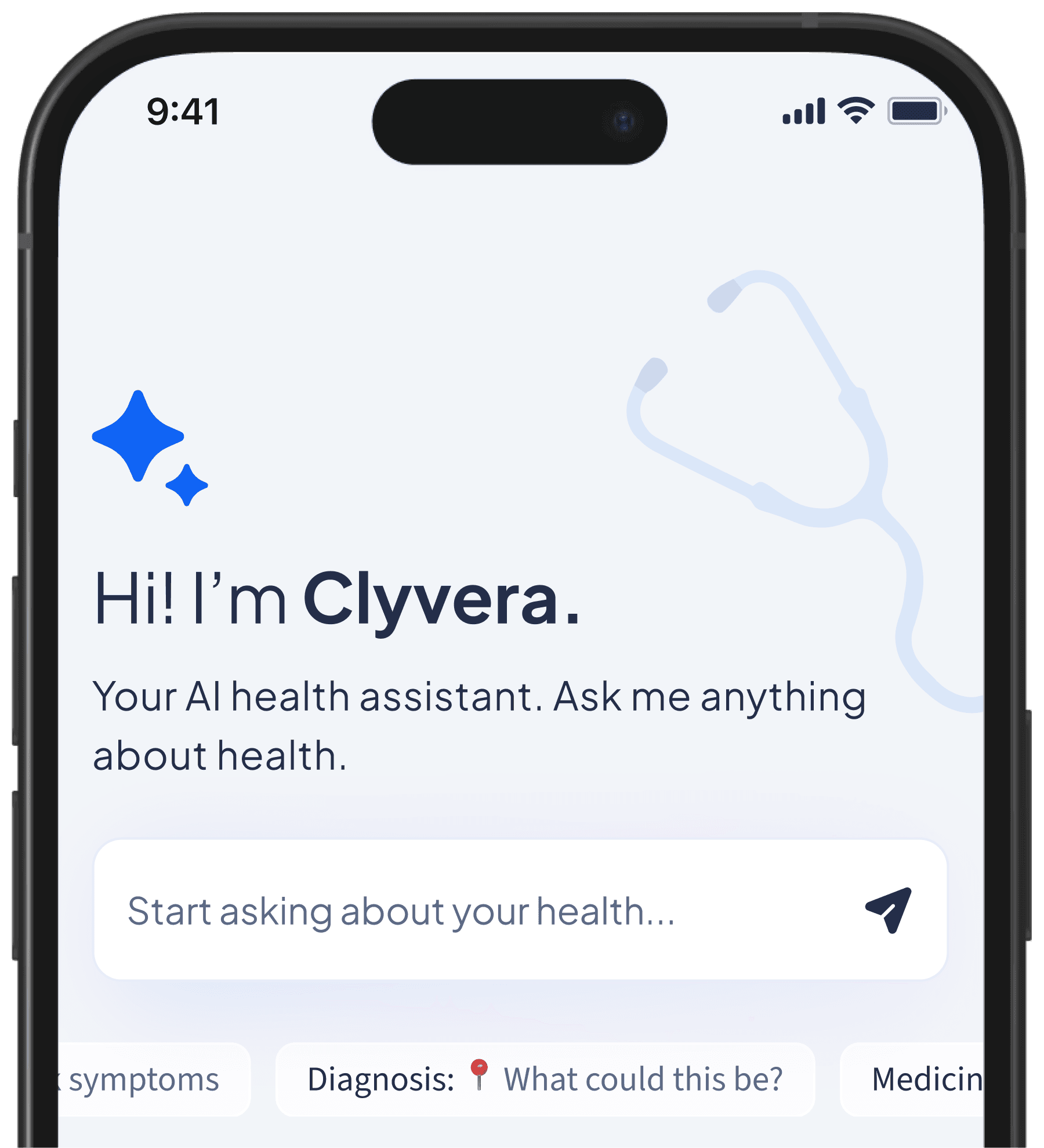
When AI becomes “Dr. Google”, Why searching symptoms online can cause more panic than clarity
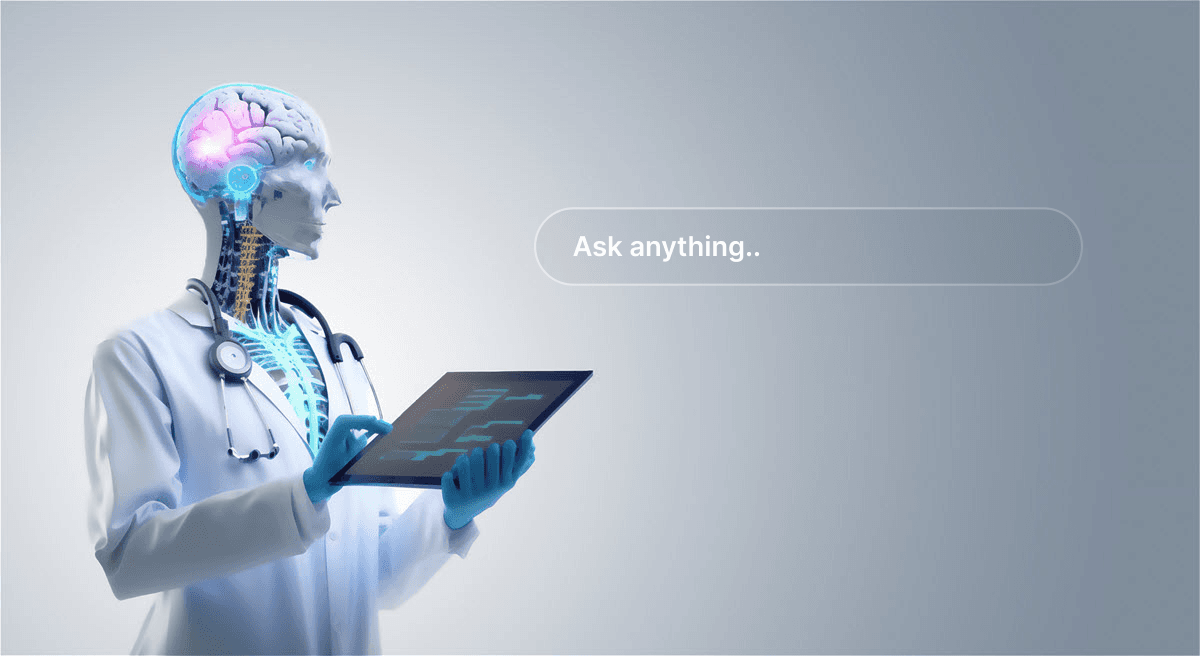
It usually begins with something small. A mild headache after a long day, a sudden pain in the chest after climbing the stairs. Instinctively, many of us reach for our phones and type the symptoms into a search engine. Within seconds, hundreds of articles, forums, and AI-generated summaries appear on the screen.
At first, the results seem helpful. But as you scroll, the possibilities start escalating. From common causes like dehydration or fatigue to rare and alarming diseases.This experience has become so common that medical researchers now have a term for it: cyberchondria—the rise of health anxiety caused by excessive online symptom searching.
As per research, 40 % of health-related websites often lack well-researched information. In many cases, the available information may be confusing, exaggerated, or unreliable. For people without medical knowledge, searching for symptoms online can increase anxiety, as inaccurate information may lead to unnecessary fear or misunderstanding of common symptoms. What began as an attempt to find a solution has now created even more anxiety and concern.
How the Internet Became the First “Doctor”
Today, searching for health information online is almost a reflex. Millions of people turn to search engines every day to understand symptoms, medications, or treatment options. Digital health tools, AI chatbots, and automated symptom checkers have made this process even faster.
While access to information can empower people, it also comes with a hidden risk of missing context. These AIs respond without having a complete knowledge of individual’s medical history, the severity of symptoms, or other underlying factors
Search engines are designed to show a wide range of possibilities, not to diagnose. That means they frequently include rare or severe conditions alongside common ones. Without medical training, users often focus on the most alarming explanation rather than the most likely one.
Psychologists explain this through something called negativity bias—our brains naturally pay more attention to threatening information than reassuring information. So even if most results suggest a harmless cause, a single frightening possibility can dominate our thinking.
Why AI can make health symptoms sound more serious than they are
Artificial intelligence has changed how health information appears online. Instead of simply listing websites, many platforms now provide instant summaries or conversational answers generated by AI systems.
These responses often sound clear, confident, and authoritative.
But AI tools do not have access to
personal medical history
physical examinations
or diagnostic tests
These are the factors doctors rely on every day. Algorithms rely heavily on keywords. They analyze the words typed into a search bar, but they cannot understand the full medical context.
As a result, AI may present several possible explanations for a symptom, including rare or serious conditions causing health anxiety.
The Hidden Design Problem: How bad UX Can Multiply Health Anxiety
Interestingly, the issue is not only about technology, but also about design. Because of this, the way information is presented can unintentionally increase anxiety.
Many digital platforms are designed to show more information quickly and keep users engaged, rather than helping them calmly understand health concerns. Several design patterns contribute to this problem:
Serious conditions often appear first
Endless scrolling and related searches encourage continuous symptom checking, which can deepen worry.
AI responses sound very confident, even when the information is uncertain
Limited guidance toward medical professionals, leaving users to interpret complex health information on their own.
For designers and product teams building health platforms, this creates an important challenge: developing systems that inform users without overwhelming them. This includes clearly explaining probabilities, highlighting common explanations before rare ones, and guiding users toward qualified healthcare professionals when necessary.
The Real-World Impact
Doctors around the world are increasingly seeing the effects of online self-diagnosis. Many patients now arrive at clinics with strong assumptions about their health after searching symptoms online.
This creates real challenges for both patients and healthcare providers.
1) Pressure on Doctors and Clinics
Online symptom searches are changing how patients approach medical visits. Many arrive convinced they have serious illnesses, even when symptoms are mild, which forces doctors to spend extra time correcting misinformation. Some patients request specific tests after reading about diseases online, while others delay seeking care because search results suggested their condition was harmless.
Research cited by JAMA Internal Medicine shows that nearly one-third of patients search symptoms online before visiting emergency departments, often arriving with incorrect assumptions about their condition.
2) Increased Workload for Healthcare Systems
In the UK, cyberchondria-related consultations are estimated to cost the National Health Service (NHS) more than £56 million every year. This shows how much additional workload can arise from misconceptions that may only be possibilities rather than real medical concerns. When people become anxious after reading symptoms online, many seek extra consultations, tests, or medical reassurance, increasing the pressure on already stretched healthcare systems.
3) Mental Health and Productivity Impact
People may spend hours researching diseases online, often getting stuck in a cycle of repeated symptom searches that affects focus and productivity. This constant worry about possible illnesses can increase anxiety and negatively impact daily work, mental well-being, and overall quality of life.
Bottom Line: Learn when to take professional help
It’s always recommended to use AI apps for just awareness not to drive to conclusion and take it as a final medical advice. If you feel unsure about what you are reading, it is important to know when to stop searching and consult a doctor.
Here are a few signs it’s time to seek professional help:
Symptoms persist for several days or continue to worsen
Pain is severe or unusual compared to what you normally experience
New or unexplained symptoms appear suddenly
Symptoms start affecting daily activities, sleep, or work
Online information leaves you feeling more anxious instead of reassured.
Final Words
Online health information can be useful when used thoughtfully. It can help people understand symptoms, learn about possible conditions, and prepare questions before visiting a doctor. Trusted health platforms and medically backed apps can also offer helpful guidance by organizing information and providing general insights.
However, these tools should be seen as supporting resources, not substitutes for medical care. Only qualified healthcare professionals can evaluate symptoms with the full medical context and provide accurate diagnosis and treatment. When it comes to health decisions, digital tools can assist—but professional medical advice remains essential.
Related Blogs