Why millions of Indians who don't drink are being diagnosed with fatty liver

Fatty liver now affects nearly one in three urban adults, and it has to do with your lifestyle.
Ravi is 34. He doesn't smoke. He doesn't drink.
He goes for walks twice a week and considers himself reasonably healthy. So when his routine ultrasound came back flagging a "grade 1 fatty liver," he assumed the lab had made a mistake.
He hadn't. And he's far from alone.
Across India's cities, fatty liver is quietly becoming one of the most common findings on routine health check-ups, not among heavy drinkers, but among office workers, young professionals, homemakers, and even teenagers. A condition once associated almost entirely with alcohol is now reshaping how doctors think about metabolic health in modern India.
As per the stats, 56.5% of Type 2 diabetics in India also have NAFLD, showing the metabolic link.
And arround 38% Urban Indians are estimated to have fatty liver. What's the reason behind it, and why is it getting among non-drinkers?
So what exactly is fatty liver?
Your liver is the body's primary processing unit, which filters blood, producing bile for digestion, and manages how fats and sugars are stored or burned. When fat accumulates in more than 5% of liver cells, it's medically classified as fatty liver disease, or hepatic steatosis.
The non-alcoholic version, called NAFLD (Non-Alcoholic Fatty Liver Disease), develops when this fat buildup has nothing to do with alcohol consumption. Left unaddressed, it can progress through stages: from simple fat accumulation to inflammation, to scarring (fibrosis), and in some cases, to cirrhosis or liver failure.
The catch?
Most people feel nothing at all in the early stages.
"Most people with fatty liver don't feel sick. That's precisely what makes it dangerous. By the time symptoms appear, the condition may have been silently progressing for years.
The real culprits in Indian urban life
When doctors and researchers look at what's driving NAFLD in Indian cities, the same lifestyle patterns come up again and again.
Excess refined carbohydrates and sugar: White rice, maida-based breads, biscuits, packaged snacks, and sweetened beverages flood the liver with fructose and glucose. The liver converts what it can't immediately use into fat and stores it in itself first.
Sedentary desk-bound routines: Extended sitting with minimal physical activity slows fat metabolism significantly. Muscles stop acting as the body's primary glucose sink, pushing that burden onto the liver.
Insulin resistance: Even without diabetes. Indians are genetically predisposed to insulin resistance at lower body weights than Western populations. This means fat is redirected to the liver earlier and more aggressively.
Disrupted sleep and chronic stress: Irregular sleep patterns alter cortisol and insulin cycles, accelerating fat deposition. Urban stress compounds this further through emotional eating and hormonal dysregulation.
Skipping meals, then overeating: Erratic meal timings, which are common in long-shift work cultures, create cycles of low blood sugar followed by large insulin spikes, which actively encourage hepatic fat storage.
Why even normal-weight Indians can develop fatty liver
Fatty liver is not just a disease of overweight people in India but many normal-weight Indians can develop it too.
Many people believe that a normal BMI means they are safe from fatty liver. For Indians, that assumption can be misleading.
Research shows that Indians and other South Asians tend to carry more body fat, especially harmful visceral fat around the organs, even at a normal body weight. This means that fatty liver, insulin resistance, and diabetes can develop at a lower BMI than in many Western populations.
This is why BMI classifications differ. Under traditional Western guidelines, a BMI of 23–24.9 is considered normal. However, Indian and Asia-Pacific guidelines classify the same range as overweight because metabolic risks begin to rise earlier in Indian populations.
Researchers often refer to this as the "thin-fat Indian" phenomenon. A person may look slim and have a normal BMI, yet still carry excess abdominal and liver fat. In fact, studies comparing South Asians and white Caucasians with the same BMI have found that South Asians tend to have higher liver fat, greater insulin resistance, and more visceral fat despite having similar body weight.
As a result, BMI alone is not always the best way to assess fatty liver risk in Indians. Measures such as waist circumference, liver enzyme levels, and liver scans often provide a clearer picture of metabolic health.
This means you don't have to be overweight to develop fatty liver. For many Indians, what's happening inside the body matters far more than what the weighing scale shows.
What should you actually watch for?
NAFLD is largely symptomless in early stages, but some people do notice vague signals: persistent fatigue that doesn't improve with rest, mild discomfort or heaviness in the upper right abdomen, a feeling of being bloated or sluggish after eating, and unexplained weight gain around the belly despite no major change in diet.
These symptoms are non-specific, which is why a symptom checker can be a useful starting point, not to diagnose, but to help you recognise patterns worth discussing with a doctor.
The good news: it's largely reversible
Unlike most organ damage, early-stage fatty liver responds remarkably well to lifestyle changes. Studies show that losing just 7–10% of body weight through dietary adjustments and increased movement can reduce liver fat significantly, in some cases, bringing it back to normal within months.
The dietary priorities are clear: reduce refined sugar and processed carbohydrates, increase fibre through vegetables and whole grains, moderate portion sizes, and limit ultra-processed foods. Regular moderate exercise even 30 minutes of brisk walking five days a week, has shown measurable liver benefits independent of weight loss.
There's no approved medication specifically for NAFLD yet, which makes lifestyle the front-line treatment. And that, in a way, is empowering.
When to see a doctor
If you have any of the following, a liver function test and abdominal ultrasound are worth requesting from your physician: central obesity (waist over 90 cm for men, 80 cm for women), prediabetes or Type 2 diabetes, PCOD, thyroid dysfunction, or a family history of liver disease or metabolic conditions. Early detection makes an enormous difference to outcomes.
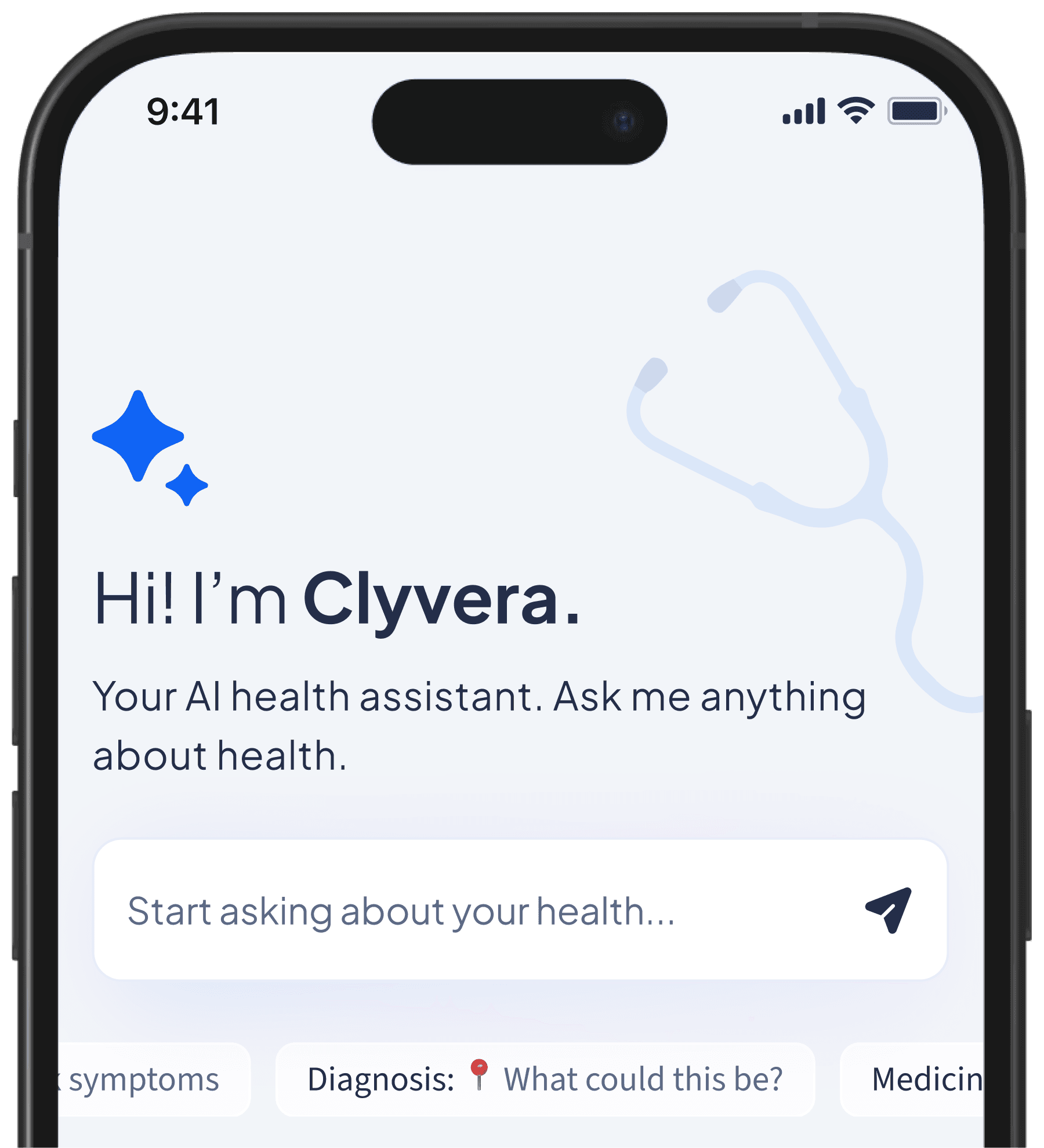
Not sure if your symptoms could be pointing to a liver or metabolic issue? Clyvera's symptom checker helps you understand what your symptoms may indicate, identify when medical attention may be needed, and prepare more confidently for your first doctor's appointment.
Check your symptoms on Clyvera!
Related Blogs